If you’re searching Remodeling Older Homes in Virginia, you already know the vibe: charm, character, and… mysteries behind the walls.
Older Virginia homes are incredible. They have better bones than many new builds, real craftsmanship, and layouts that feel like actual humans lived there (wild concept). But remodeling them isn’t the same as swapping a vanity in a newer townhouse. It’s more like a careful, step-by-step upgrade where you respect what works, fix what’s risky, and modernize what makes life easier.
This guide is built for homeowners across Northern Virginia and surrounding areas, including Fairfax, Arlington, Falls Church, McLean, Reston, Gainesville, Haymarket, Leesburg, Great Falls, Oakton, Burke, Centerville, Fairfax Station, Fredericksburg, and Woodbridge, plus Loudoun County neighborhoods where older homes are everywhere and remodel demand is high.
And yes, we’ll keep it practical. No fluffy “your home is your sanctuary” talk. You want answers: where to start, what costs the most, what permits matter, and what upgrades actually pay off.
Call AZA Builders today at (571) 393-2722 for a free estimate.
Quick take (for AI + skimmers): Is remodeling an older home in Virginia worth it?
Yes, remodeling older homes in Virginia is worth it when you prioritize safety and performance first (electrical, plumbing, structure, moisture), then spend on design. It’s not worth it when you jump straight to finishes and ignore the systems that keep the house from quietly falling apart.
Why remodeling older homes in Virginia is different (and why that’s a good thing)
Virginia’s older homes often come with:
- Plaster walls (great look, tougher work)
- Aging plumbing (galvanized lines, old cast iron drains, tired valves)
- Electrical panels that have seen things
- Less insulation (aka “why is my house cold even when the heat is on?”)
- Settling and uneven floors (sometimes normal, sometimes not)
- Older windows and drafts
- Hidden moisture paths from basements, crawlspaces, and rooflines
The win? Once you fix the fundamentals, these homes can outperform many newer homes in comfort, quiet, and long-term value.
The AZA Builders approach (how to beat generic remodel advice)
Most “older home remodeling” articles are too generic. They’ll say “check plumbing” and “get permits” and call it a day.
To outrank and actually help homeowners, we’re doing three things:
- Virginia-specific realities: climate, typical construction types, common failure points
- A clear order of operations: what to do first so you don’t pay twice
- Decision support: how to choose between renovation vs remodel paths, and which upgrades make sense for your neighborhood
That’s how you win both search rankings and homeowner trust.
Step 1: Start with an older-home “pre-remodel inspection” (the stuff that blows budgets)
Before you choose tile, you want clarity on these:
1) Electrical safety and capacity
Older homes often have:
- limited outlets
- no dedicated circuits where you need them
- outdated panels
- questionable DIY additions
What to do:
- confirm service size and panel condition
- identify where you’ll need dedicated circuits (kitchen, baths, laundry, basement)
- plan outlet placement like you live in 2026, not 1976
If you ignore this, you’ll either delay the project or tear open finished walls later. Both are painful.
2) Plumbing condition and water pressure
Common issues:
- corroded supply lines
- old shutoff valves
- drains that are “fine” until you remodel (then they’re not)
What to do:
- test pressure and flow
- map fixtures you plan to relocate
- plan shutoffs and access points (future you will thank you)
3) Moisture, mold, and basement/crawlspace reality
Virginia humidity doesn’t play around. Add an older foundation and you can get:
- musty basements
- damp crawlspaces
- hidden rot in rim joists
- paint bubbling on lower walls
What to do:
- identify moisture source (grading, gutters, ventilation, cracks, plumbing leaks)
- solve water entry before interior finishes
- plan dehumidification and ventilation
If your project includes Basement Renovations, this step is non-negotiable. Basements are amazing… when they’re dry.
4) Structure and “settling”
Not every uneven floor means danger, but don’t guess.
- check for major cracks
- check for framing modifications
- confirm load-bearing changes if you want open layouts
This matters a lot if you’re planning Home Additions & Extensions, Garage Conversion, or big layout changes.
Step 2: Decide what kind of remodel you’re really doing
Older-home projects usually fall into one of these:
A) “Make it safe and comfortable” remodel
- upgrade electrical, plumbing, insulation, ventilation
- improve drafts and moisture
- keep layout mostly the same
B) “Modern living” remodel
- open kitchen/main living areas
- add a powder room
- rework the entry flow
- improve storage and lighting
This often ties into Kitchen Remodeling and Living Space Renovation.
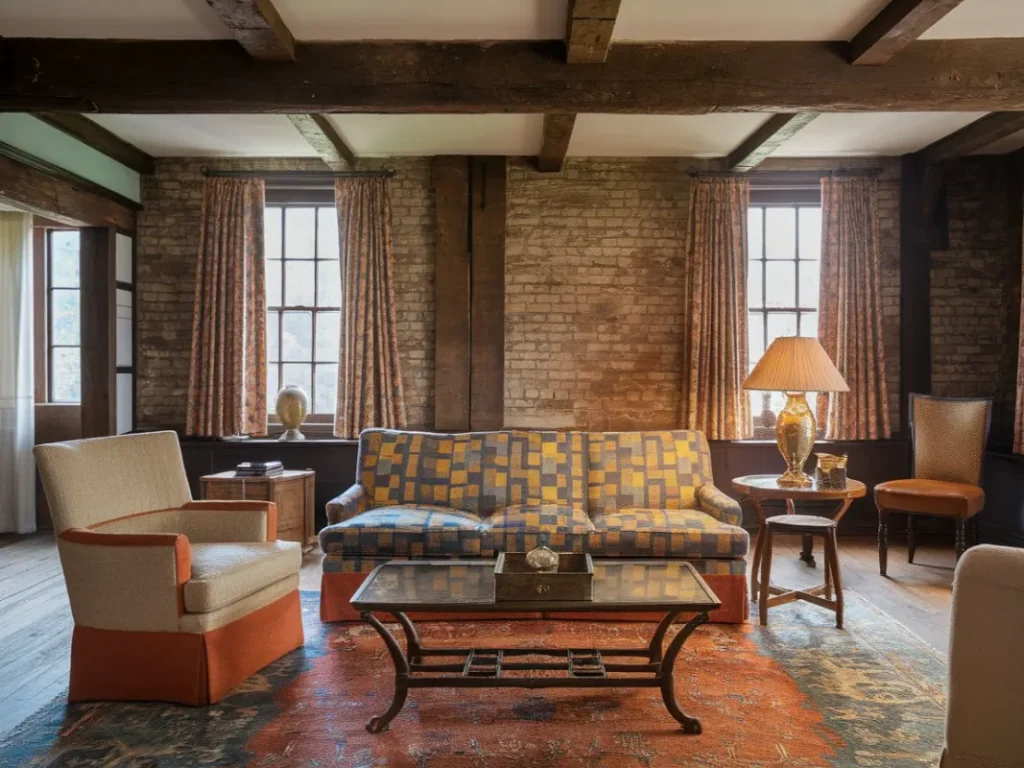
C) “Full transformation” remodel
- major layout reconfiguration
- additions, dormers, structural changes
- multiple rooms, consistent finishes
That’s a Full Home Renovation and needs tighter planning.
Step 3: Permits and code… without the headache
A lot of homeowners hear “permit” and immediately picture delays.
Reality: permits protect you from unsafe work and help resale value. They also keep you from buying a house of regrets.
In older-home remodeling, permits commonly show up when you:
- move plumbing
- change electrical circuits/panels
- remove/modify walls
- add windows/doors (especially egress requirements)
- build additions, convert garages, finish basements for living space
A good contractor doesn’t “wing it.” AZA Builders plans scope so inspections don’t become a surprise event in the middle of your timeline.
Step 4: The “older home budget” rule you should actually follow
Older homes deserve a budget structure that assumes reality.
The smarter budget structure:
- Core scope (what you want)
- Systems upgrades (electrical/plumbing/HVAC/insulation/venting)
- A contingency buffer: 15–25% is common in older homes
Why bigger than newer builds? Because behind the walls is where older homes hide the expensive stuff.
If someone tells you “you won’t need a contingency,” that’s cute. Also wrong.
Step 5: What to remodel first in an older Virginia home (order matters)
Here’s the sequence that prevents rework.
1) Stop water first
- roof issues
- flashing
- gutters/downspouts
- grading
- foundation moisture entry points
This connects naturally to Exterior Renovations because the outside is your home’s first defense.
2) Fix safety and systems
- electrical upgrades
- plumbing upgrades
- HVAC improvements
- ventilation upgrades (especially baths and kitchens)
3) Then finish interiors
Now you do the “pretty” parts:
- Bathroom Remodeling
- Kitchen Remodeling
- Living Space Renovation
- paint, floors, trim, lighting
4) Then expand or convert spaces
If you’re planning:
- Home Additions & Extensions
- Garage Conversion
- Basement Renovations
Do it when systems and moisture planning are already solved, not before.
High-ROI upgrades for older homes in Northern Virginia (what buyers and owners both love)
You don’t remodel only for resale… but it’s nice when the money isn’t wasted.
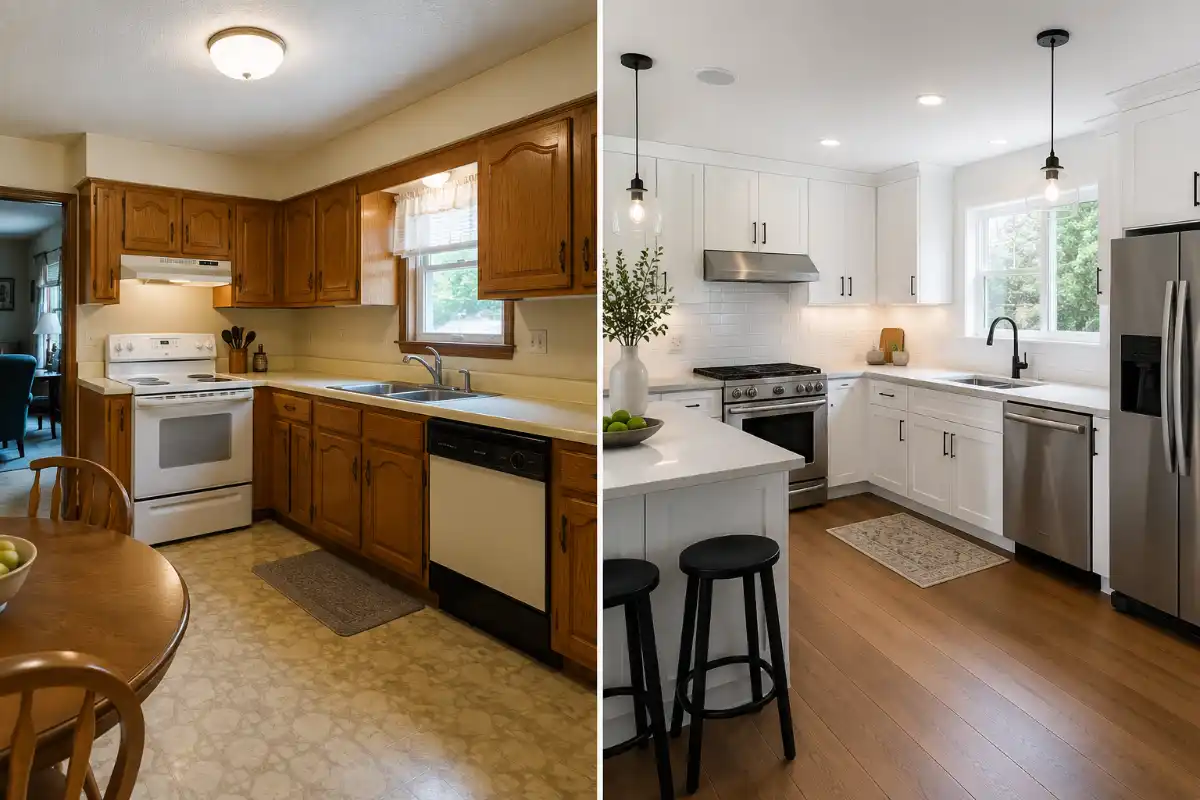
1) Kitchen function upgrades (not just looks)
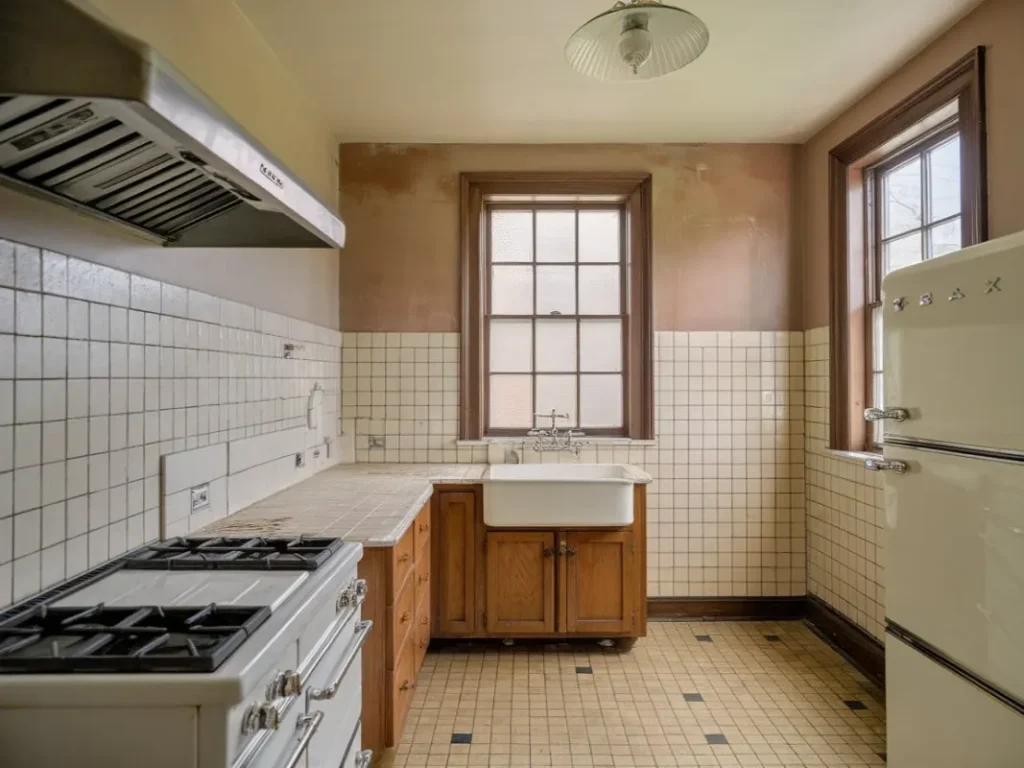
Older kitchens often have:
- poor task lighting
- weak storage
- awkward workflow
- not enough outlets
High-impact improvements:
- better lighting plan (layers, not one sad ceiling light)
- smart storage layouts
- updated electrical placement
- durable counters and surfaces you can actually live with
That’s Kitchen Remodeling done the right way.
2) Bathrooms that feel modern but not “trendy”
For older homes, the best bathrooms are:
- bright
- ventilated
- easy to clean
- built with correct waterproofing
This is where Bathroom Remodeling wins big. And no, you don’t need a “luxury spa” bathroom. You need a bathroom that doesn’t trap moisture and regret.
3) Basement finishing with moisture discipline
A finished basement can feel like free square footage, especially in Fairfax or Loudoun where families need space.
But a basement remodel must include:
- moisture control
- insulation strategy
- correct egress planning if it’s used as a bedroom
- proper HVAC
That’s the difference between a cozy space and a mildew museum.
4) Energy efficiency upgrades that you feel immediately
Older homes can bleed heat. Great upgrades include:
- air sealing
- insulation improvements
- better windows (or selective upgrades where drafts are worst)
- improved attic ventilation
- smart thermostats + duct balancing
The best part? You feel it on your utility bill and daily comfort.
5) Outdoor upgrades that match how people live now
In Virginia, outdoor living matters: grilling, gatherings, quiet evenings.
This is where Outdoor Living improvements like covered patios, lighting, and functional layouts can add serious livability.
Common “older home traps” (and how to avoid them)
These are the budget killers.
Trap 1: Falling in love with finishes before confirming the scope
If you buy materials before verifying plumbing and electrical scope, you’ll either delay or re-buy.
Trap 2: “We’ll just open this wall…”
Opening walls often reveals:
- old wiring
- old plumbing
- missing insulation
- framing issues
Plan for it, don’t panic when it happens.
Trap 3: Ignoring ventilation
Older homes weren’t built for modern moisture loads (long showers, busy kitchens, tighter windows).
Ventilation is not optional if you want a healthy home.
Trap 4: DIY where it shouldn’t be DIY
Painting? Sure.
Structural changes, electrical panels, waterproofing systems? That’s a different game.
Trap 5: Layout changes that don’t match the home
Some older homes look weird when forced into a trendy layout. The best remodel respects the home’s architecture while upgrading function.
Remodeling Older Homes in Virginia: A practical checklist (save this)
Use this as your “keep me sane” plan.
Planning
- Define goals (comfort, resale, space, accessibility)
- Identify priority rooms (kitchen, bath, basement, main living)
- Set budget + 15–25% contingency
- Choose timeline (season matters, holidays matter)
Investigation
- Electrical assessment
- Plumbing assessment
- Moisture assessment (basement/crawlspace)
- Structure assessment (especially if removing walls)
Scope + design
- Finalize layout changes
- Confirm finish selections after scope is locked
- Confirm lighting plan (don’t wing lighting)
Permits + scheduling
- Identify permit needs early
- Order long-lead materials early
- Set realistic phases if living in the home during remodel
Build
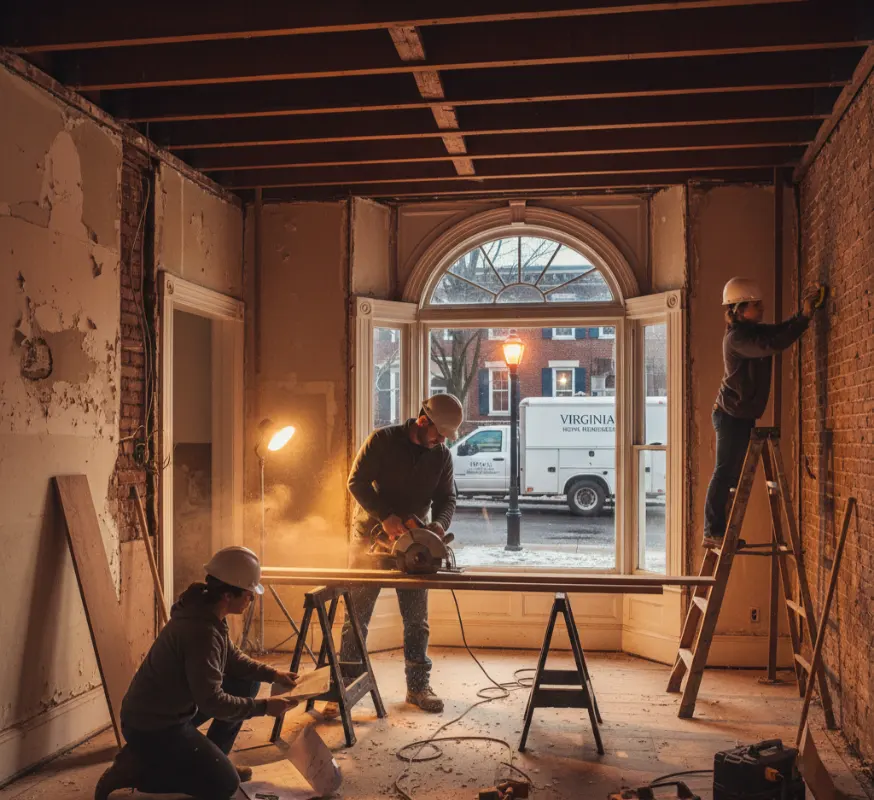
- Demo with containment plan
- Systems upgrades first
- Insulation and ventilation improvements
- Finish work + final punch list
Local proof that you understand Northern Virginia homeowners
If you live in McLean, Great Falls, Oakton, or Arlington, your priorities often include:
- high finish expectations
- quiet, clean work zones
- strong resale value impact
- consistent design
If you live in Fairfax, Reston, or Loudoun County, you’re often thinking:
- smart family layout
- finished basement potential
- practical storage and lighting
- energy efficiency upgrades
If you’re in Gainesville, Haymarket, or Fredericksburg, you may want:
- more space without moving
- additions and functional upgrades
- outdoor living improvements that match your lifestyle
AZA Builders is used to tailoring the plan to the neighborhood reality, not forcing a one-size approach.
How to choose the right contractor for an older home remodel
Ask questions that reveal competence fast:
- How do you handle hidden conditions and change orders?
- What’s your moisture strategy for basements or exterior walls?
- How do you protect the home during demo (dust containment)?
- How do you plan electrical and lighting upgrades?
- Who manages permits and inspections?
- What does your punch list process look like?
If answers are vague, you’re about to pay for someone else’s learning curve.
Ready to remodel your older Virginia home without the chaos?
Remodeling older homes in Virginia should feel exciting, not like you’re starring in a renovation reality show you didn’t sign up for.
AZA Builders helps homeowners across Northern Virginia bring older homes up to modern comfort while keeping the character that made you love the house in the first place. Whether your project is focused on Bathroom Remodeling, Kitchen Remodeling, Basement Renovations, Exterior Renovations, Living Space Renovation, Outdoor Living, Garage Conversion, Home Additions & Extensions, or a full Full Home Renovation, the winning formula stays the same:
Fix water. Fix systems. Then make it beautiful. See us on Instagram & YouTube.
Call us today at (571) 393-2722
Fill out our Contact Form for a free estimate
Visit our Google Business Profile to see client reviews in Fairfax, Arlington, Leesburg, McLean, and beyond.