QUICK ANSWER: Finding the right ADU builder in Northern Virginia in 2026 comes down to three things: knowing your county’s specific rules, budgeting with real local numbers ($75,000 for a basement conversion up to $350,000+ for a detached new build), and understanding that the new Virginia ADU law (SB 531) does not fully take effect until July 1, 2027. Start planning now, because design, permits, and contractor selection all take months before a shovel hits the dirt.
So you’ve got a backyard, a big idea, and a strong suspicion that your property could be doing a lot more for you. Maybe it’s aging parents who need their own space with their own front door. Maybe it’s an adult kid saving for a down payment in a market that treats first-time buyers like a punchline. Maybe you just did the math on rental income and your eyebrows have not come back down. Whatever pulled you here, you’re now hunting for an ADU builder in Northern Virginia, and honestly, you picked a fascinating year to do it.
Because Virginia just changed the rules on backyards. And most of the internet is getting the details slightly (or spectacularly) wrong.
Let’s fix that. Consider this your friend-who-happens-to-build-things breakdown of exactly what an accessory dwelling unit is, what the new Virginia ADU law actually says, what it costs county by county, and how to build one without accidentally starring in your own permitting horror story. Grab a coffee. This is the good stuff.
What Is an ADU, and Why Is Every Northern Virginia Homeowner Suddenly Obsessed?
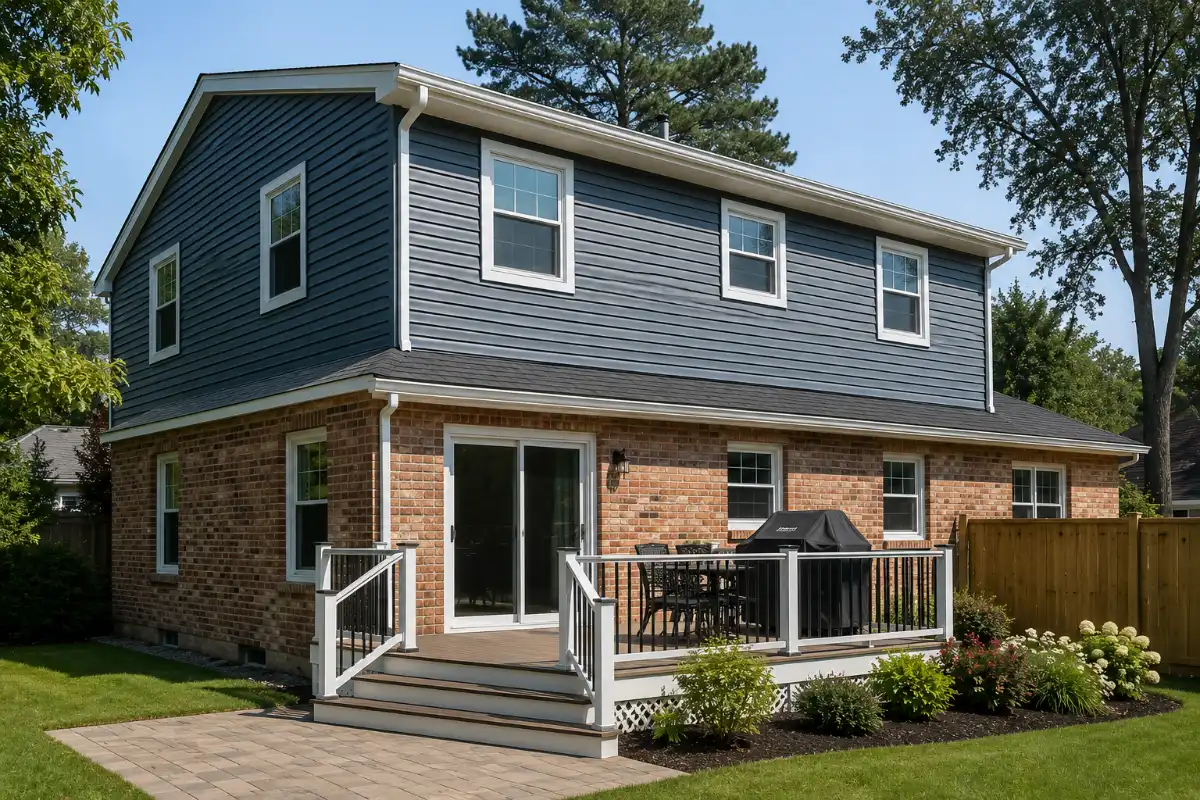
An accessory dwelling unit is a self-contained second home on the same lot as your primary house. Its own kitchen. Its own bathroom. Its own sleeping area. Its own entrance. You’ve heard it called a lot of names: granny flat, in-law suite, backyard cottage, carriage house, garage apartment. Same idea, different sweater.
ADUs come in four flavors, and each one maps to a different corner of your property:
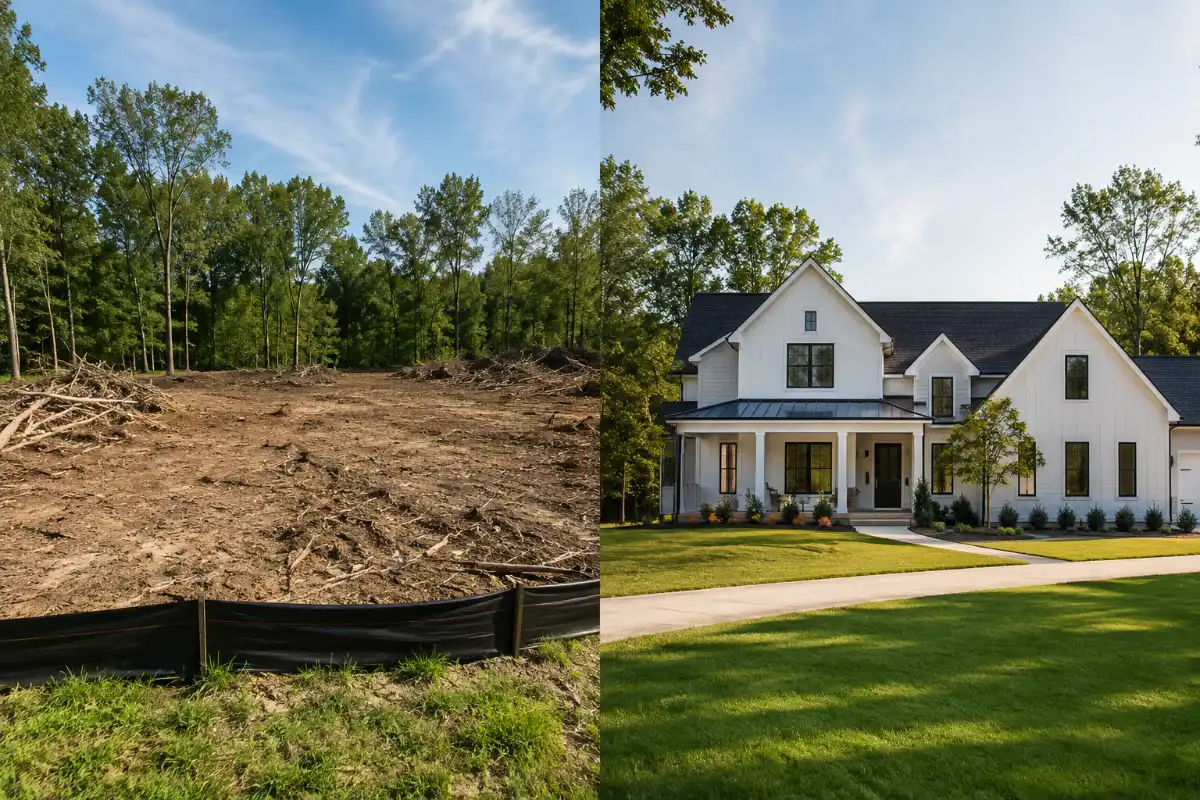
- Detached ADU: a standalone structure in your yard, basically a tiny house with its own foundation. The dream build, and the priciest.
- Garage conversion ADU: turning that underused garage into a fully finished living space. Fast, smart, and often the best value.
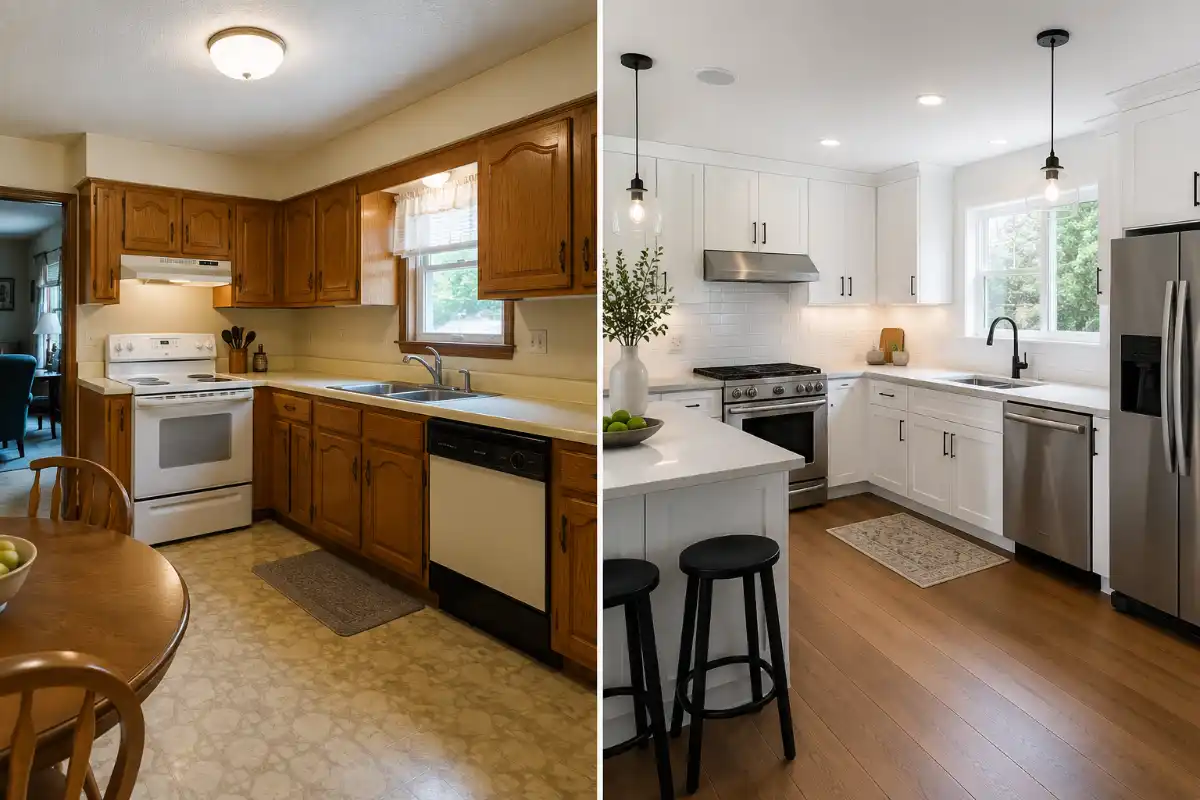
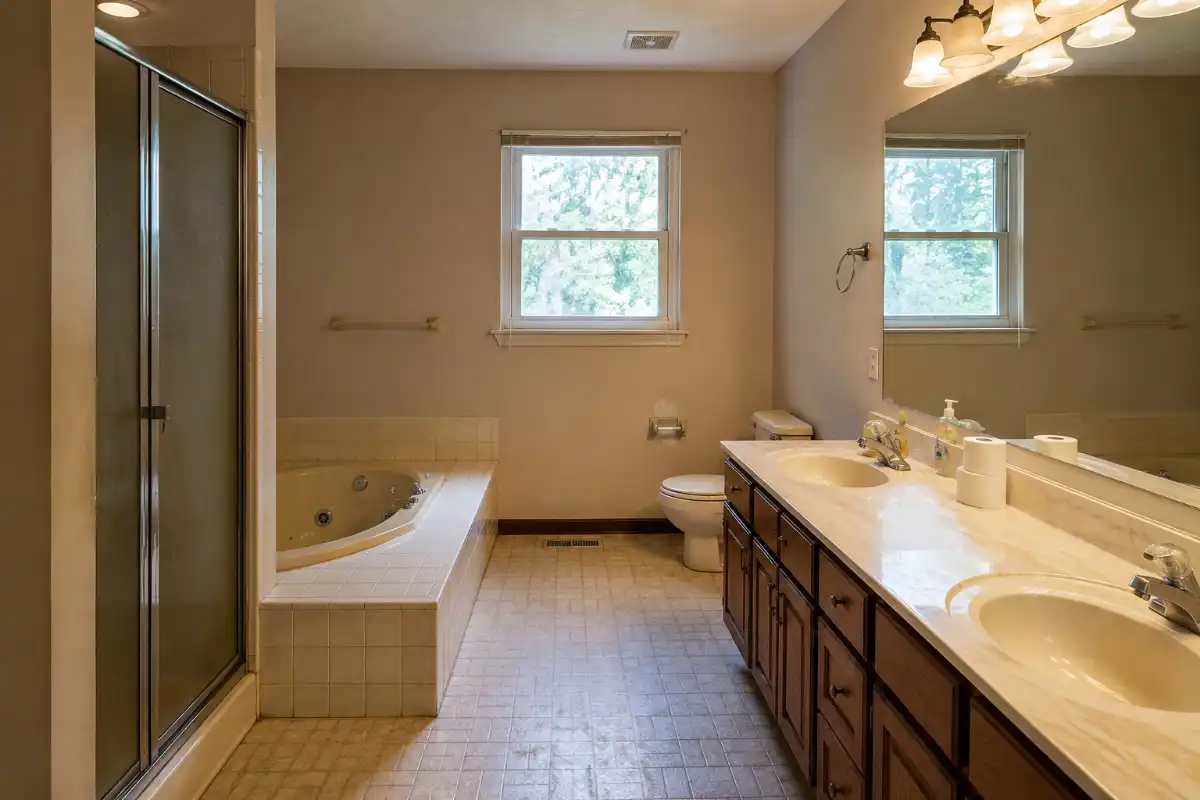
- Basement conversion: finishing your lower level into a legal, self-contained unit. The most budget-friendly path in.
- Attached ADU / in-law suite: a new wing or addition connected to your existing home, perfect for multigenerational living.
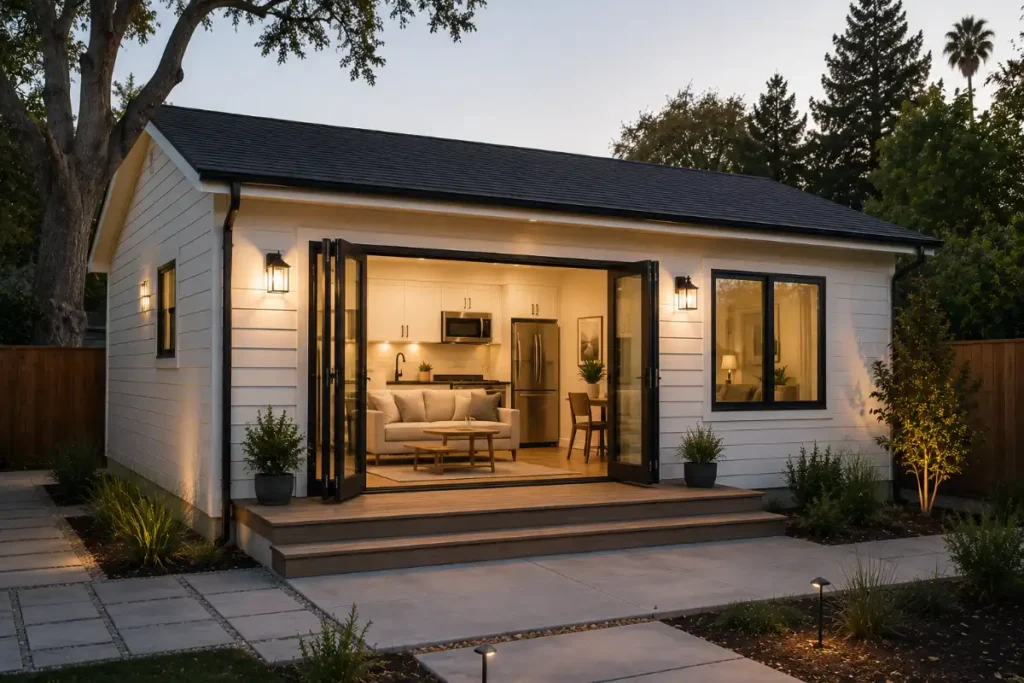
Why the sudden frenzy? Two words: math and family. Northern Virginia home prices stayed brutal into 2026, assisted living in the DC metro runs $5,000 to $7,000 a month, and a well-built ADU can house a loved one, generate rental income, or add serious resale value, all without buying new land. It’s the rare home project that pays you back while making your life easier. No wonder homeowners across Fairfax, Loudoun, Prince William, and Arlington are converting garages and finishing basements like it’s a competitive sport.
The New Virginia ADU Law Explained: SB 531 in Plain English
Here’s where a lot of competitor articles fumble, so read this part twice.
In April 2026, Governor Abigail Spanberger signed Senate Bill 531 into law. It’s a genuine game-changer for anyone who wants to build an ADU in Virginia. But (and this is the part everyone skips) the law does not take effect until July 1, 2027. Not January. Not this year. July 1, 2027. If a website tells you otherwise, close the tab.
What SB 531 Actually Changes
Once it kicks in, SB 531 forces every locality to allow ADUs as a permitted use in single-family residential zones. In plain English, that means:
- By-right approval. If your project meets local code, the permit gets approved administratively. No Board of Zoning Appeals gauntlet. No public hearing where your neighbor Greg objects to your “density.”
- Permit fees capped at $500. The locality cannot charge more than $500 for the ADU permit itself. Compare that to the pre-law Fairfax reality, where a special exception could cost north of $15,000 and take 12 to 18 months.
- Setback parity. Localities cannot demand bigger setbacks for your ADU than they require for your main house or other accessory structures.
- No family-relation requirement. This is huge. You can rent your backyard cottage to anyone, not just relatives. Rental income unlocked.
The Catch Nobody Warns You About: The January 1, 2026 Exemption
Here’s the plot twist. SB 531 includes an exemption: any locality that already had an ADU ordinance in place as of January 1, 2026 gets to keep its own rules. And guess which jurisdictions already had ordinances? Fairfax County, Arlington County, and the City of Alexandria.
Translation: if you live in Fairfax or Arlington, the new state law does not automatically open every door for you on day one. Your county’s existing (and often stricter) rules still apply. Which is precisely why the right ADU builder in Northern Virginia is the one who actually knows your specific county, not a national firm reading the same headline you just read.
This section is general information, not legal advice. Always confirm current rules with your locality or a licensed professional before you build.
ADU Builder in Northern Virginia: County-by-County Rules
The single most important question a great ADU builder asks first is not “what’s your budget?” It’s “which county?” Because the county changes everything: the terminology, the size caps, the review track, even the words you type into the permit portal. Here’s the lay of the land.
Fairfax County ADU Rules (They Call Them “Accessory Living Units”)
Fairfax doesn’t even use the word ADU in its zoning code. It says Accessory Living Unit (ALU). Interior and attached conversions (think basement conversion or a finished suite) are the most straightforward and are approved administratively. Detached ALUs historically faced a much higher bar, including larger lot requirements, and post-SB 531 county guidance is still evolving. Fairfax also caps unit size and typically requires the owner to live on the property. A garage conversion or basement renovation is usually the smoothest path here.
Arlington County ADU Rules (Here They’re “Accessory Dwellings”)
Arlington calls them Accessory Dwellings (ADs). Interior conversions have been permitted, but detached units were historically restricted, and the county has kept size caps tight (a 750-square-foot ceiling on detached units has been part of the picture). Small lots and tight setbacks define Arlington, so an attached home addition or an interior conversion is often the realistic move.
Loudoun County ADU Rules
Loudoun is the friendly one. Larger lots, more room to build, and jurisdictions without a prior ordinance will fall fully under the state framework when SB 531 takes effect July 1, 2027. If you own a suburban lot in Ashburn, Leesburg, or Brambleton and you’ve been dreaming of a detached backyard cottage, Loudoun gives you the most room to bring that outdoor living vision to life.
Prince William County ADU Rules
Prince William, like Loudoun, did not have a prior ordinance triggering the exemption, so the state law applies here when it takes effect in 2027. That makes now the perfect window to plan a build in Gainesville, Manassas, Woodbridge, or Bristow. Design and permitting take months, and homeowners who start early will be first in line the moment the law opens the gate.
Bottom line: if you’re in Fairfax, Arlington, or Alexandria, your local rules govern today. If you’re in Loudoun or Prince William, the state framework applies in July 2027, and planning should start now. Either way, you want an ADU builder in Northern Virginia who has pulled permits in your exact jurisdiction.
ADU Cost in Northern Virginia: Real 2026 Numbers
Let’s talk money, because “it depends” is not a budget. Northern Virginia construction runs 20 to 30 percent above the national average thanks to DC-area labor rates and rigorous local permitting. Here are honest 2026 planning ranges by ADU type.
| ADU Type | Northern Virginia Cost (2026) | Notes |
|---|---|---|
| Basement conversion | $75,000 to $130,000 | Most budget-friendly; egress, ceiling height, and HVAC drive the number |
| Garage conversion | $90,000 to $160,000 | Great value; existing structure saves foundation cost |
| Attached ADU / in-law suite | $120,000 to $220,000 | Ties into your existing home; shared walls save money |
| Detached ADU (new build) | $180,000 to $350,000+ | Own foundation and utilities; maximum flexibility and value |
These are planning ranges, not quotes. An estimate without a site visit is a guess in a nice font. Your final number depends on lot conditions, utility access, finish level, and setbacks. Curious how an ADU stacks up against simply building bigger? Our guide on building a new home vs. adding an ADU in Northern Virginia runs the full financial breakdown, and our second-story addition vs. bump-out comparison helps if you’re weighing an addition instead. When it’s time to fund it, our construction financing resource covers HELOCs, renovation loans, and home equity options.
Which ADU Type Fits Your Lot? A 30-Second Gut Check
Not sure where to start? Here’s the cheat sheet a good ADU builder in Northern Virginia would give you over coffee:
- Big yard, want maximum value and privacy? Go detached. It’s the priciest build, but it’s the crown jewel, and it reads beautifully on a property record. Pair it with thoughtful outdoor living design and the whole backyard becomes an experience, not just a lot.
- Underused garage collecting bikes and regret? Garage conversion. Fastest path to a finished, insulated, HVAC-equipped living space.
- Full basement doing nothing but storing holiday decor? Basement conversion. Usually the lowest cost per square foot.
- Want parents close but independent? An attached in-law suite addition delivers multigenerational living with its own entrance and its own dignity.
Every lot in Northern Virginia is different. Setbacks, utility locations, soil, tree preservation, and HOA rules all shape what’s possible. That’s exactly why we start every project with a feasibility review, not a design session.
The ADU Money Math: Rental Income, ROI, and Property Value
Here’s why homeowners get a little starry-eyed. A permitted, finished ADU does three things at once: it adds verified square footage to the public record, it generates rental income a buyer can actually count, and it boosts your property value the day it’s complete. In a strong Northern Virginia rental market, a well-designed unit can produce steady monthly income that offsets your mortgage, funds retirement, or simply makes the whole project pay for itself over time.
And remember, SB 531 killed the family-relation requirement. Once the law is in effect, you can rent to whoever you like (subject to Virginia’s 30-day minimum lease rule, so no nightly Airbnb hustle). That’s a build that works for your family today and your wallet for decades. Not bad for something that used to be a storage room.
Wait, Your HOA Can Still Say No
Deep breath, because this trips people up. SB 531 overrides local zoning. It does not override your HOA’s private covenants. Roughly 65 percent of Fairfax County homes and 75 percent of Loudoun County homes sit inside an HOA, and those governing documents can still restrict secondary structures, separate entrances, or rental activity.
So before you fall in love with a floor plan, read your CC&Rs. Look for anything about outbuildings, secondary dwellings, or rentals. A five-minute document review now can save you a five-figure heartbreak later. A trustworthy ADU builder in Northern Virginia will flag this on day one, not after your deposit clears.
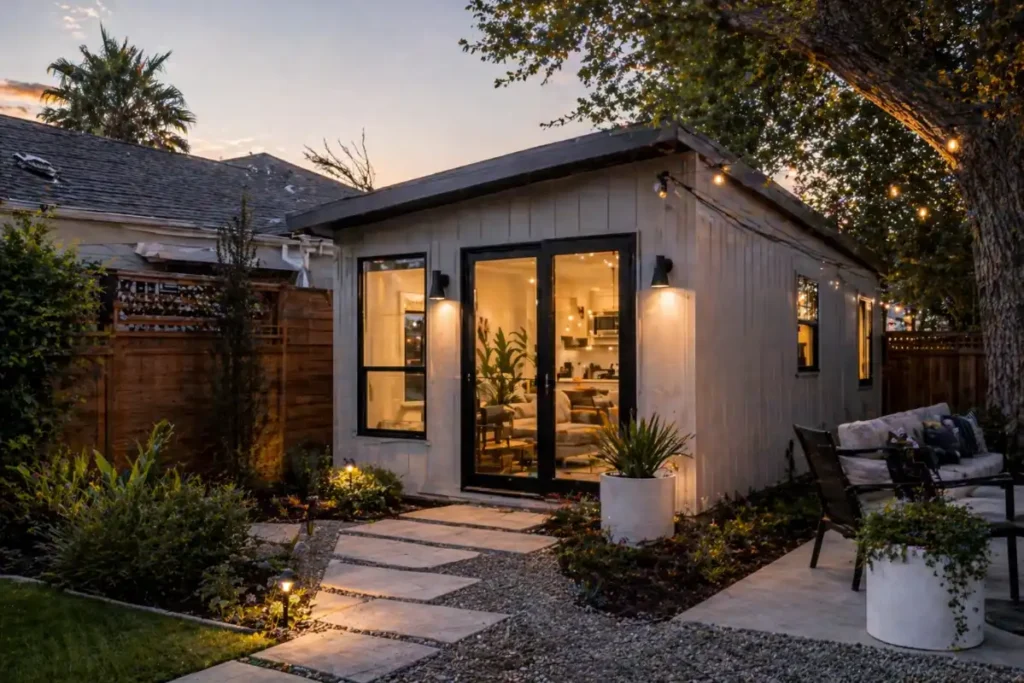
Why Homeowners Choose AZA Builders as Their ADU Builder in Northern Virginia
Here’s the honest pitch. Anyone can build a box. Building the right ADU on your lot, in your county, that passes inspection and prints income for years, takes a design-build team that lives and breathes Northern Virginia code.
AZA Builders is a Class A licensed Virginia general contractor with 15+ years designing and building across Bristow, Fairfax, Gainesville, Arlington, McLean, Leesburg, Reston, and Woodbridge. We run design, engineering, permitting, and construction under one roof, so you get one accountable team instead of a finger-pointing relay race. From detached backyard cottages to garage conversions, basement units, and in-law suite additions, we build spaces that feel intentional, look premium, and follow the rules to the letter. Browse our project portfolio to see the craftsmanship, and check the building permit guide if you want to nerd out on process before we talk.
We start with a feasibility conversation, not a sales pitch. We tell you what your lot and zoning district actually support, before you spend a dollar on drawings. Because the best ADU project is the one that gets built, permitted, and loved, not the one that dies in a zoning appeal.
Frequently Asked Questions About Building an ADU in Northern Virginia
Is it legal to build an ADU in Northern Virginia right now? Yes, in most jurisdictions, though the exact path depends on your county. Fairfax, Arlington, and Alexandria operate under their own existing ordinances today. Loudoun, Prince William, and others fall fully under the new state law (SB 531) when it takes effect July 1, 2027. A local ADU builder can confirm what’s allowed on your specific lot.
When does the new Virginia ADU law take effect? Virginia SB 531 was signed in April 2026 but has a delayed effective date of July 1, 2027. Localities that already had an ADU ordinance as of January 1, 2026 (including Fairfax, Arlington, and Alexandria) may keep their own rules.
How much does an ADU cost in Northern Virginia? Plan for roughly $75,000 to $130,000 for a basement conversion, $90,000 to $160,000 for a garage conversion, and $180,000 to $350,000+ for a detached new build. Final pricing depends on lot conditions, size, and finish level.
Can I rent out my ADU? Yes. SB 531 removes the requirement that occupants be related to you, so you can rent to anyone once the law is in effect. Virginia requires a minimum 30-day lease, so short-term nightly rentals generally aren’t permitted.
Will an ADU add value to my home? A permitted, finished ADU adds verified square footage and rental income potential to your property, both of which buyers and appraisers can account for. In a high-demand market like Northern Virginia, that’s meaningful appreciation.
Can my HOA stop me from building an ADU? Potentially, yes. State law overrides local zoning but not private HOA covenants. Always review your CC&Rs before starting design.
Ready to Build? Let’s Find Out What Your Lot Can Do
Here’s the truth every smart homeowner already senses: the winners in this new ADU era are the ones who plan early. Design, permits, and contractor selection take months, and July 1, 2027 will arrive faster than you think. Whether you’re eyeing a detached backyard cottage in Loudoun, a garage conversion in Fairfax, or an in-law suite in Prince William, the move right now is simple. Get a feasibility read on your property so you’re shovel-ready the moment your county says go.
That’s exactly what we do best. Book your free consultation with AZA Builders today, and let’s turn your backyard, basement, or garage into the smartest square footage in Northern Virginia. See us on TikTok & Instagram.
Schedule Your Free ADU Consultation → or call (571) 393-2722. Your future ADU (and your future rental income) will thank you.