Walk-In Showers vs Bathtubs is the bathroom decision Virginia homeowners keep making in 2026, and honestly, it’s not even close to a “one-size-fits-all” answer. It depends on your lifestyle, your home layout, your resale plans, and whether your knees crackle like bubble wrap when you stand up.
In Northern Virginia, we’re seeing a clear pattern: more homeowners want walk-in showers, but nobody wants to regret removing their only tub. That’s the sweet spot. You want modern, easy-to-clean, spa vibes, without accidentally making your home harder to sell or harder to live in.
I’m going to break this down the way AZA Builders walks clients through it in real remodel conversations across Sterling, Fairfax, Loudoun County, Arlington, Alexandria, and the surrounding area.
Ready for a personalized estimate? Call AZA Builders today at (571) 393-2722 or request a free quote.
Why the Walk-In Showers vs Bathtubs debate got louder in 2026
A few things changed fast:
- Aging-in-place planning is mainstream now. People are thinking ahead, even in their 30s and 40s.
- Busy households want low maintenance. Less scrubbing, less grout, fewer “why is this always wet?” moments.
- Resale is still a factor, but not the only factor. Homeowners want daily comfort now, not just future value later.
- Bathroom remodeling trends shifted toward spa-style function. Benches, niches, better lighting, better ventilation, better waterproofing.
So yes, Walk-In Showers vs Bathtubs is still the core question, but what homeowners really mean is:
“Do I want this bathroom to feel better every day, and will I regret it later?”
What Virginia homeowners prefer in 2026: the real answer
Here’s what we see most often in Virginia homes:
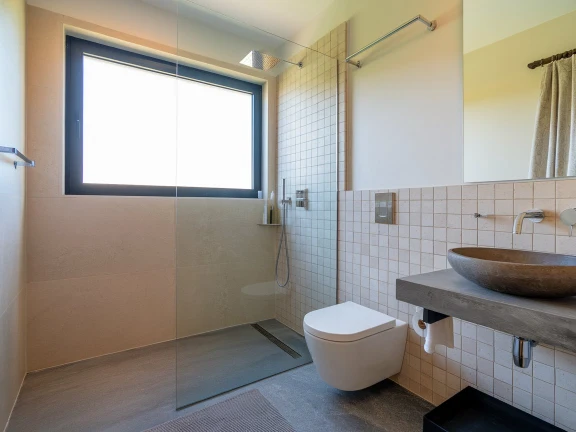
- Primary owner bathrooms: Walk-in showers are winning.
- Hallway or kids’ bathrooms: Bathtubs still matter.
- Homes with only one full bath: Keeping a tub is usually smart.
- Homes with 2+ full baths: You have room to go shower-first in at least one bathroom.
So the 2026 preference is not “showers always” or “tubs always.”
It’s usually: at least one tub in the home, and at least one walk-in shower that feels like a hotel.
That’s the modern Virginia balance.
Walk-In Showers vs Bathtubs: quick decision guide (bookmark this)
If you want the fastest “tell me what to do” version, here you go:
Choose a walk-in shower if you:
- Want easier entry and safer bathing
- Prefer quick daily routines
- Hate cleaning tubs
- Want a modern, high-end look
- Are updating a primary bathroom
- Plan to age in place
Choose a bathtub if you:
- Have young kids (or plan to)
- Bathe pets or soak regularly
- Only have one full bath in the home
- Want broad resale appeal in family neighborhoods
- Have a smaller bath where a shower alone feels tight
Choose a combo (tub + shower) if you:
- Have one main bathroom
- Want flexibility for guests and future buyers
- Need family practicality without giving up showers
Now let’s get into the details.
Pros of walk-in showers in Virginia homes
When homeowners ask AZA Builders what’s “most popular,” walk-in showers are usually the first upgrade request. Here’s why.
1) Accessibility and safety are a big deal
Stepping over a tub wall is a fall risk. That risk gets real fast when:
- You’re rushing in the morning
- You’re caring for a parent
- You have mobility limits
- You just had surgery
- You simply do not want to play bathroom parkour anymore
A well-designed walk-in shower with a low threshold (or true curbless entry) is one of the most practical upgrades a bathroom can get.
2) They make bathrooms look bigger
Glass, light, clean sightlines. Walk-in showers can make even a smaller Fairfax or Arlington bathroom feel more open, especially with:
- Large-format tile
- Frameless glass
- Recessed niches instead of corner caddies
- Floating vanities (when the layout supports it)
3) They are easier to clean (usually)
No tub walls to scrub. Less awkward bending. Less mildew hiding in corners.
But here’s the catch: the design has to be right. A poorly planned walk-in shower can splash water everywhere and turn your bathroom into a slip-and-slide. Nobody wants that.
4) Modern features feel “high-end” without going overboard
Virginia homeowners in 2026 love upgrades that feel premium but practical:
- Built-in bench
- Wall niche for bottles
- Handheld + rainfall combo
- Better lighting layers
- Quiet, effective ventilation
- Non-slip flooring
Walk-in showers are basically the easiest way to make a bathroom feel luxury without pretending you live in a spa resort full-time.
Cons of walk-in showers (and how to avoid the regrets)
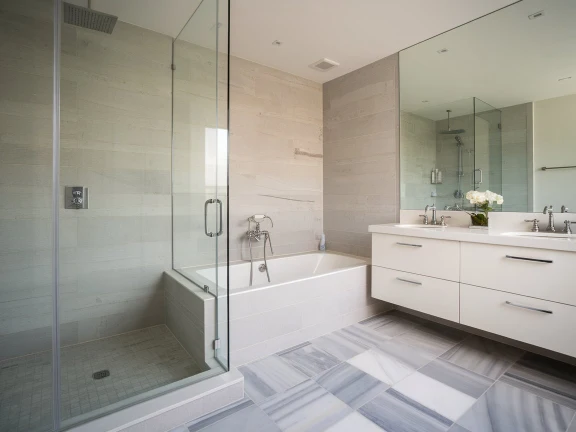
Walk-In Showers vs Bathtubs is not a debate if you remove the only tub in a family home and then realize you need it. Let’s talk drawbacks.
1) Removing the only tub can hurt buyer appeal
In many Northern Virginia neighborhoods, buyers with kids still want at least one tub. Even if they “love showers,” they also love not bathing toddlers in a sink.
Rule of thumb:
If it’s your only tub, pause before deleting it.
2) Waterproofing and drainage must be perfect
Walk-in showers are less forgiving. If the slope, drain placement, or waterproofing is sloppy, you’ll pay for it later. Often with a very expensive “surprise.”
This is where professional installation matters, not just for looks but for protecting your home from water damage and mold.
3) Splash control can be tricky
Curbless showers look amazing. They also need smart splash planning:
- Glass panel placement
- Drain style and position
- Floor slope accuracy
- Shower head direction
- Enough space between spray zone and entry
A walk-in shower should feel effortless, not like you’re mopping after every shower.
Pros of bathtubs in Virginia homes
Bathtubs still have a strong place in 2026. They’re not “outdated.” They’re just more specific to certain households and bathrooms.
1) Kids, pets, and practical life stuff
This is the most obvious one. Families use tubs. Pet owners use tubs. People who like soaking use tubs.
2) Resale flexibility
Even if walk-in showers are trending, buyers often want one tub somewhere in the house. Keeping a tub in a hall bathroom can help your home feel “complete” to a wider range of buyers.
3) Great for smaller bathrooms
In some tight layouts, a tub-shower combo can actually work better than trying to force a walk-in shower footprint that feels cramped.
Cons of bathtubs (the stuff nobody mentions until they’re cleaning it)
1) They take up space
In many VA homes, especially older builds, bathroom square footage is limited. A tub can dominate the room and limit:
- storage
- shower size
- vanity size
- movement space
2) They can be harder to access
Tubs are not friendly for aging-in-place unless you’re installing special solutions, and even then, stepping over the edge is a risk.
3) Cleaning tubs is… not fun
You already know. I won’t pretend it’s a joy.
Walk-In Showers vs Bathtubs for resale in Virginia
Let’s be real: resale matters, but it’s not the whole story.
Here’s the best resale-friendly approach we recommend most often:
If you have 1 full bathroom
Keep a tub, ideally as a tub-shower combo. You can still upgrade it to look modern:
- new tile surround
- modern fixtures
- better lighting
- better storage
- improved ventilation
If you have 2+ full bathrooms
This is where you can win both ways:
- Primary bath: walk-in shower focus
- Secondary bath: keep a tub
That setup typically satisfies daily lifestyle and future buyers.
If your neighborhood is family-heavy
In many Fairfax and Loudoun neighborhoods, families dominate the buyer pool. Keeping at least one tub is a safer play.
If you’re in a condo or smaller townhome
Walk-in showers often make more sense, especially if the building and plumbing constraints support it. But again, if it’s the only bath, be careful.
What Virginia homeowners prefer in 2026 by household type
Young professionals
They lean walk-in shower, minimal maintenance, modern design.
Families with kids
They want one tub, at least. Many still upgrade the primary bath to a walk-in shower.
Empty nesters
They often choose walk-in showers for safety and daily comfort.
Multi-generational homes
Walk-in shower is usually a priority, often with:
- wider entry
- bench
- handheld wand
- slip-resistant tile
- thoughtful grab bar planning
Cost talk: is a walk-in shower more expensive than a bathtub?
Often yes, but it depends on what you’re comparing.
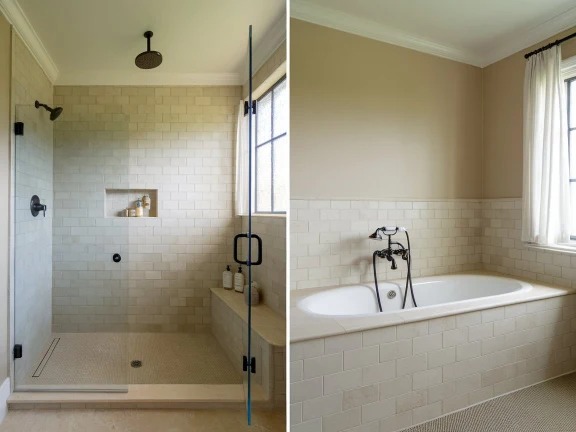
A basic tub replacement can be simpler. A high-quality walk-in shower with:
- custom tile
- waterproofing system
- proper slope
- upgraded drain
- niche and bench
- glass enclosure
…can cost more.
The bigger cost driver is not “shower vs tub.” It’s:
- moving plumbing
- expanding the shower footprint
- choosing premium tile or glass
- fixing hidden water damage
- upgrading ventilation or electrical
If you want a clean number, it won’t be honest. The accurate answer is: scope and hidden conditions decide the price. That’s why a real in-home consultation beats guesswork every time.
The biggest mistake people make with Walk-In Showers vs Bathtubs
They decide based on looks only.
A beautiful bathroom that doesn’t match your life becomes annoying fast.
Ask yourself:
- Who uses this bathroom every day?
- Do we plan to sell in the next 2 to 5 years?
- Do we need at least one tub in the home?
- Are there mobility concerns now or later?
- Do we want spa comfort or quick function?
If you answer those, the decision becomes obvious.
The “best of both worlds” options Virginia homeowners love
1) Tub-shower combo, but upgraded
You keep the tub (family-friendly) and modernize everything else:
- sleek tile surround
- niche storage
- modern fixtures
- better lighting and ventilation
2) Separate shower and tub (when space allows)
This is the dream setup. It’s just not realistic in every Virginia floor plan. If you can do it, it’s a strong win for comfort and resale.
3) Deep soaking tubs (instead of oversized tubs)
If you love baths, a soaking tub can give you the experience without stealing the entire room.
Waterproofing: the part that decides whether your remodel succeeds
Competitor articles talk about waterproofing because it’s the part that quietly protects your house.
Here’s the simple truth:
A bathroom remodel is only as good as the waterproofing behind it.
Tile is not waterproof. Grout is not waterproof. If water gets behind the walls, you’re headed toward mold, rot, and repair bills you didn’t budget for.
So when AZA Builders builds walk-in showers or tub surrounds, the goal is not “pretty tile.” The goal is a system that stays watertight.
Design trends Virginia homeowners are picking in 2026
If you want “current” without going trendy in a way you’ll hate later, here are safe winners:
- Warm neutrals with texture
- Mixed metals (done intentionally, not randomly)
- Large-format tile for fewer grout lines
- Clean niches and storage that reduce clutter
- Lighting layers with dimmers
- Quiet fans that actually remove moisture
- Frameless glass for open sightlines
Trends are fun. Function is forever.
Where to place internal links (use these exact phrases)
If you’re building service page links, these fit naturally inside this article:
- For full bathroom upgrades: Bathroom Remodeling
- If you’re updating the lower level bath: Basement Renovations
- If the project ties into curb appeal: Exterior Renovations
- For multi-room improvements: Full Home Renovation
- If you’re turning unused space into a bath suite: Garage Conversion
- If you’re adding a new bath entirely: Home Additions & Extensions
- If you’re pairing the bath update with kitchen upgrades: Kitchen Remodeling
- If you’re reworking layout and flow: Living Space Renovation
- If this ties to a spa-style outdoor setup nearby: Outdoor Living
FAQs: Walk-In Showers vs Bathtubs (Virginia edition)
Is it okay to remove a tub in Virginia?
Yes, if you still have at least one tub somewhere in the home, especially in family-heavy areas of Northern Virginia.
Do walk-in showers help resale?
Often yes, especially in primary bathrooms, as long as the home still has a tub somewhere.
What’s better for aging-in-place?
Walk-in showers, especially with safe entry, bench options, and smart layout.
What if I only have one bathroom?
A tub-shower combo is usually the safest choice. You can still make it feel modern and upgraded.
What do most homeowners prefer in 2026?
In Virginia, most homeowners prefer walk-in showers for primary bathrooms, and at least one tub somewhere for flexibility.
Final verdict: what Virginia homeowners should do in 2026
If you want the most practical, most resale-safe answer for Walk-In Showers vs Bathtubs, it’s this:
- Keep at least one tub in the home if you can.
- Upgrade the primary bath to a walk-in shower if it fits your life.
- Do not compromise waterproofing, drainage, or ventilation.
- Choose based on how you live now, not just what looks good on Pinterest.
And if you’re not sure what works in your exact bathroom layout, that’s normal. Most bathrooms in Northern Virginia have quirks, tight dimensions, and “interesting” surprises behind walls.
Ready to make the right choice for your home?
AZA Builders helps Virginia homeowners design bathroom remodels that look great and hold up long-term. Whether you’re leaning walk-in shower, bathtub, or a modern combo, we’ll help you choose what fits your space, your household, and your plans.
If you want, tell me:
- How many full bathrooms are in the home?
- Is this the primary bathroom or a hall bath?
- Any kids, pets, or aging-in-place needs?
And I’ll recommend the best setup and the smartest layout direction for your exact situation. See us on TikTok & Instagram.
📞 Call us today at (571) 393-2722
💻 Fill out our Contact Form for a free estimate
📍 Visit our Google Business Profile to see client reviews in Fairfax, Arlington, Leesburg, McLean, and beyond.