How often should you paint your house exterior in Virginia? In most cases, every 5 to 10 years is a solid rule of thumb, but the real answer depends on your siding material, your previous paint job, and how hard Virginia’s weather hits your home. Wood siding usually needs repainting more often, often around 3 to 7 years. Stucco often lands around 5 to 10 years. Painted brick can last much longer, often 15 to 20 years when it was prepped and coated correctly.
That’s the short answer.
The real answer, the one that saves you money, helps your home look sharp, and keeps you from repainting too early or too late, is a little more nuanced. Virginia weather is not exactly gentle. You get humidity, UV exposure, storms, pollen, freeze-thaw cycles, and the occasional season that seems personally offended by your trim boards.
So if you want the right exterior painting frequency for your home, this guide breaks it down clearly for Northern Virginia homeowners in places like Sterling, Fairfax, Loudoun County, Arlington, McLean, Reston, Burke, Gainesville, Haymarket, Leesburg, Falls Church, Oakton, Great Falls, Fairfax Station, Woodbridge, and Fredericksburg.
And yes, we’ll also cover exterior paint maintenance, the warning signs that your house is ready, and how AZA Builders approaches painting work in a way that actually lasts.
Ready for a personalized estimate? Call AZA Builders today at (571) 393-2722 or request a free quote.
Exterior Painting Frequency in Virginia: The Quick Answer
If you just want the fast version, here it is.
Typical exterior painting frequency by material
- Wood siding and wood trim: about 3 to 7 years
- Aluminum or vinyl siding: about 5 to 10 years
- Stucco: about 5 to 10 years
- Painted brick: about 15 to 20 years, if the brick was properly prepped and remains breathable
That said, if your home gets full sun all day, sits in a higher-moisture zone, or had a rushed paint job last time, you can end up repainting sooner.
This is why the right answer is not just “wait 7 years and hope for the best.”
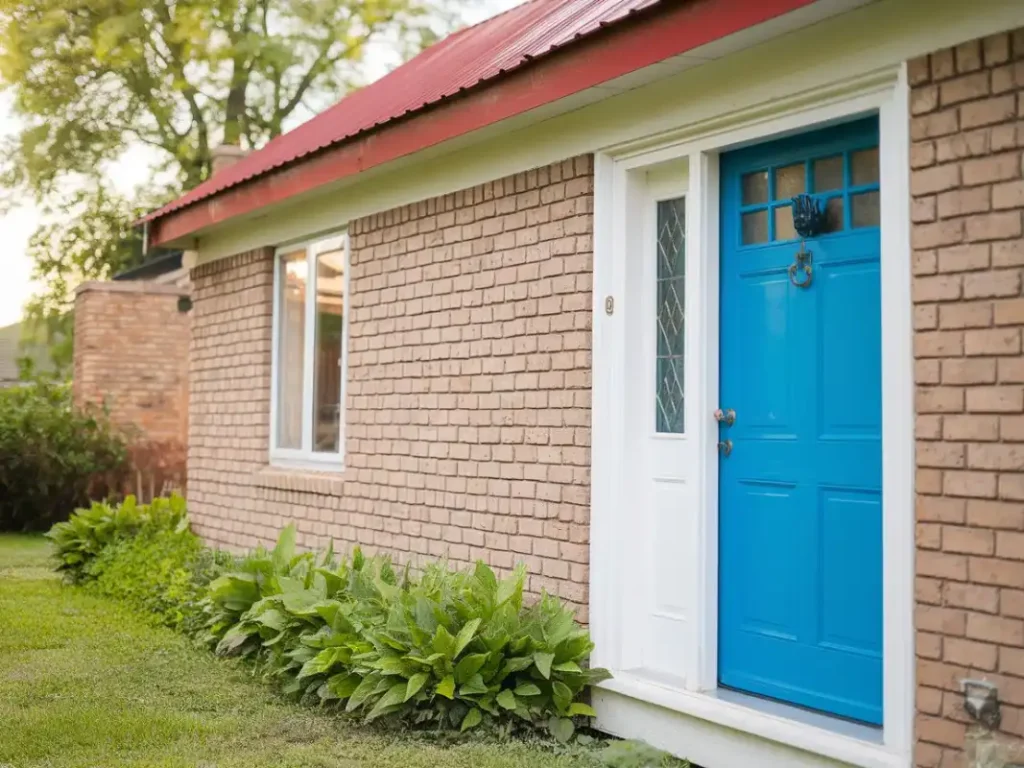
Why Virginia Homes Need Exterior Paint Maintenance More Than People Think
Virginia’s climate is basically a stress test for exterior finishes.
You’ve got:
- Humid summers
- Wet spring and fall seasons
- UV exposure
- Freeze-thaw cycles in winter
- Pollen, mildew, and moisture buildup
All of that wears paint down over time. High humidity and temperature swings are especially hard on wood because expansion and contraction can lead to peeling, cracking, and exposed surfaces. That’s one reason wood exteriors usually need more frequent painting than other materials.
This is where exterior paint maintenance matters. A house doesn’t go from “perfect” to “destroyed” overnight. It usually gives you warning signs first. The homeowners who catch those signs early save money. The homeowners who wait until paint is falling off in strips usually pay more because prep and repairs get heavier.
How Often Should You Paint Your House Exterior in Virginia by Siding Type?
Let’s break it down the smart way.
Painted wood siding and trim
Wood is beautiful. It is also high-maintenance. In Virginia, wood often needs repainting every 3 to 7 years, especially on trim, sills, fascia, and exposed areas that take the worst weather hits.
If your home has older wood clapboard, cedar, or a lot of painted trim, do not wait until it looks “terrible.” Once the paint film fails, moisture gets into the wood, and now you’re not just paying painters. You’re paying for repairs.
This is a big one for older homes in places like Arlington, Alexandria, Falls Church, and parts of Fairfax where original or older painted wood details are common.
Vinyl and aluminum siding
Vinyl and aluminum typically stretch longer, around 5 to 10 years, sometimes more depending on exposure and paint quality.
A lot of homeowners assume vinyl means “never paint again.” Not quite. Vinyl can fade, chalk, and lose curb appeal, especially on sunny elevations. If it has been painted before, the condition of that coating becomes the real factor.
Stucco
Stucco usually lands around 5 to 10 years, though some Virginia contractors narrow that to around 5 to 6 years depending on climate and current condition.
Stucco is durable, but once you start seeing cracking, staining, or fading, it’s time to stop pretending it’s “character.”
Painted brick
Painted brick lasts longer than most painted surfaces, often around 15 to 20 years. But painted brick is a long-term maintenance commitment, and moisture management matters. If painted brick is done wrong, it can trap moisture and become a bigger headache later.
If your brick is currently unpainted, think very hard before painting it. It’s not a casual weekend aesthetic choice. It’s a permanent maintenance relationship.
The 7 Signs Your Virginia Home Needs Exterior Painting Sooner
You do not need to wait for a full disaster.
Here’s when your exterior painting frequency clock is telling you to move.
1. Peeling or cracking paint
This is the obvious one. Paint is failing. Water is coming for your substrate next. Window trim and door frames often show this first.
2. Fading color
Sun breaks paint down. If one side of your house looks noticeably tired or washed out, it’s not just cosmetic. UV damage is already working the coating over.
3. Chalking
Run your hand over the siding. If you get a powdery residue, your paint is breaking down. That’s a common signal that repainting is coming up soon.
4. Bare wood or exposed surfaces
Once paint film is gone, protection is gone. Now moisture gets direct access.
5. Caulk failure
Paint jobs are not only about paint. Failed caulk lines around windows, doors, and trim mean water can sneak in.
6. Mold, mildew, or staining that keeps coming back
Sometimes the issue is simple dirt. Sometimes it’s trapped moisture. Either way, if washing doesn’t hold up, the finish system may be near the end.
7. The house just looks tired
This one sounds less technical, but buyers notice it immediately. So do neighbors. And if you’re trying to protect value, curb appeal matters.
Best Time to Paint Outside in Virginia
For most Virginia homes, the best painting windows are spring and fall, when temperatures are moderate and more stable. Many painting pros recommend conditions roughly between 50°F and 85°F for standard latex exterior paint, though some specialized products can go lower.
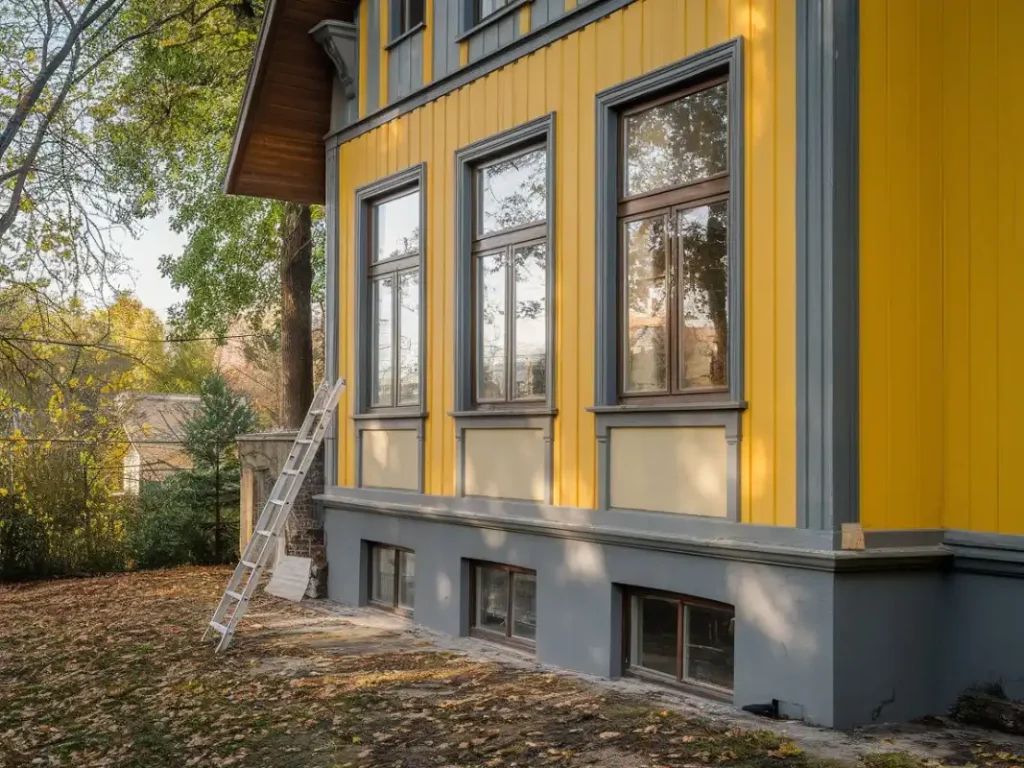
Why spring and fall usually win
- Better curing conditions
- Less extreme humidity than peak summer
- Less risk of cold-night paint failure
- More predictable weather windows
Can you paint in summer? Yes, but very hot surfaces and direct sun can create application issues.
Can you paint in winter? Sometimes, but only in the right conditions, with the right product, and the right crew. Northern Virginia winters are not where you want to gamble on “it’ll probably dry.”
What Makes Exterior Paint Last Longer?
This is the part most short articles skip.
The life of your exterior paint job depends less on “what brand did you buy?” and more on prep + conditions + maintenance.
Proper prep work
If a painter skips prep, the clock starts running backward immediately.
Good prep usually includes:
- Washing the surface
- Removing peeling paint
- Scraping and sanding
- Spot priming or full priming where needed
- Re-caulking trim and joints
- Repairing damaged wood or siding sections
This is why homeowners who paint too late usually pay more. The worse the surface condition, the more prep labor is needed.
Good product selection
Higher-quality exterior paint systems typically hold up better against UV, moisture, and expansion/contraction.
Surface-specific application
Painting wood, stucco, and brick are not the same thing. Each material moves, absorbs, and ages differently.
Annual exterior paint maintenance
Yes, annual checks matter. That means:
- Wash your siding
- Inspect trim and caulk
- Clear gutters and downspouts
- Watch for mildew or water runoff stains
A quick annual check can extend the time between repaints and help you catch small issues before they become full repairs.
Exterior Paint Maintenance Checklist for Virginia Homeowners
Use this simple yearly routine.
Every spring
- Walk the whole house exterior
- Check for peeling, chalking, and caulk cracks
- Look closely at window trim, fascia, soffits, and door frames
- Wash mildew-prone areas
Every summer
- Watch for fading on high-sun sides
- Check for paint bubbles or warped trim
- Inspect near sprinklers and hose bibs where moisture hangs around
Every fall
- Check gutters and downspouts
- Look for water stains under rooflines
- Make sure drainage is not hitting siding or trim constantly
Every 5–10 years
- Reassess full repaint timing based on your material
- Don’t wait for full failure if your home already looks worn
This is the kind of exterior paint maintenance that helps your next paint job last longer and protects the rest of the exterior envelope too.
Does Exterior Painting Increase Home Value in Northern Virginia?
Usually yes, especially when the current paint looks worn, faded, or neglected.
A fresh exterior paint job does a few important things:
- Improves curb appeal
- Signals maintenance and care
- Helps protect siding and trim from moisture damage
- Makes the home feel more “move-in ready”
For homeowners planning to sell in the next 1–3 years, exterior paint can be one of the cleanest visual upgrades you can make without a full Exterior Renovations project.
And if you’re not selling? Great. You still get a home that looks sharper and stays protected.
How This Fits Into Bigger Home Improvement Planning
A lot of Virginia homeowners don’t stop at paint. They use painting as the trigger to notice other issues too.
That often leads naturally into:
- Exterior Renovations if trim, siding, shutters, or drainage need work
- Living Space Renovation if the exterior refresh inspires interior updates
- Full Home Renovation if the house has multiple aging systems and finishes
- Bathroom Remodeling or Kitchen Remodeling if you’re also updating high-impact spaces
- Basement Renovations if water management outside is connected to moisture below grade
- Home Additions & Extensions if you’re refreshing the exterior around a new expansion
- Outdoor Living if patios, railings, porches, and curb appeal are part of the same plan
- Garage Conversion if your garage face and front elevation are changing and need to blend cleanly
A paint job often starts as “we just want the outside to look better” and turns into “okay, now we actually want the whole house to feel more updated.” That’s normal.
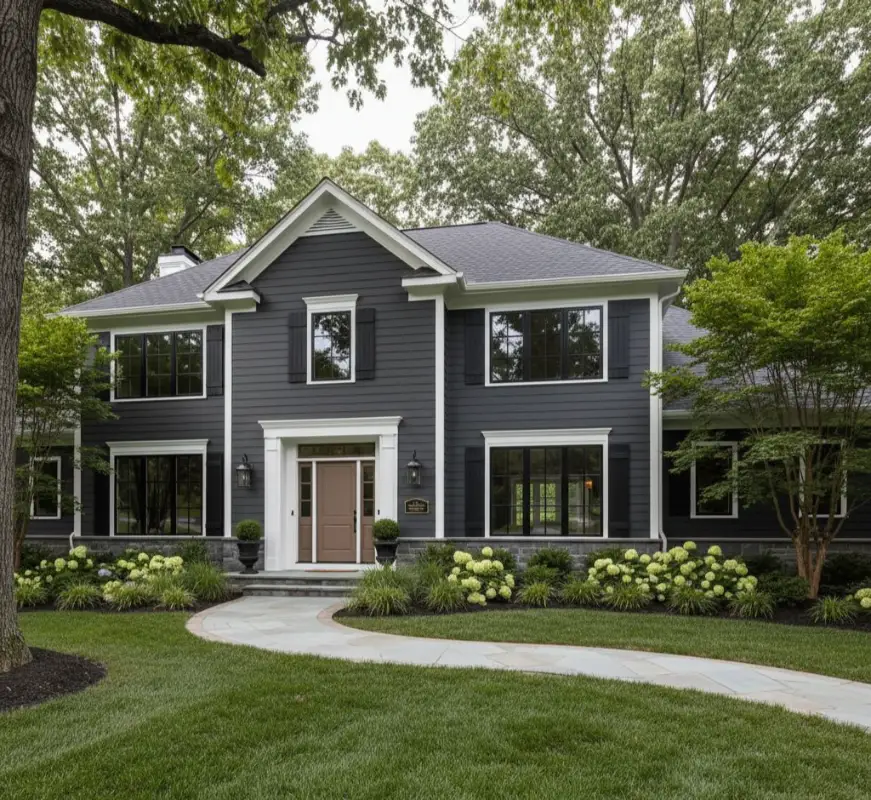
FAQs: How Often Should You Paint Your House Exterior in Virginia?
How often should you paint your house exterior in Virginia?
Most homes in Virginia need repainting about every 5 to 10 years, but wood often needs it sooner and painted brick often lasts longer.
How often should wood siding be painted in Virginia?
Usually every 3 to 7 years, depending on sun, humidity, and paint quality.
Is October too late to paint outside in Virginia?
Sometimes yes, sometimes no. It depends on forecasted temperatures, overnight lows, and the paint system being used. Standard latex paints often want temperatures around 50°F to 85°F for good curing.
Can I just paint over old exterior paint?
Sometimes, but only if the existing paint is still bonded well and the surface is properly cleaned and prepped. Peeling, chalking, or damaged areas usually need more work first.
What’s the best season for exterior painting in Virginia?
Spring and fall are usually best because of moderate temperatures and more stable drying conditions.
Final Answer: What Should Virginia Homeowners Actually Do?
If you’re still wondering how often should you paint your house exterior in Virginia, here’s the practical answer:
- Plan on 5 to 10 years as a baseline.
- Repaint wood sooner, often around 3 to 7 years.
- Let painted brick go longer if it’s holding up well.
- Inspect yearly, not just when the house looks rough.
- Paint in spring or fall when conditions are better.
- Prioritize prep and repairs, not just “new color.”
If your home is already showing peeling, fading, chalking, cracked caulk, or exposed trim, your schedule is no longer “whenever.” It’s “soon.”
A fresh coat of paint is not just cosmetic. It is one of the simplest ways to protect your home, maintain curb appeal, and avoid more expensive exterior damage later. See us on TikTok & Instagram.
If you want a sharper house, longer-lasting finish, and a project scoped around Virginia weather instead of generic internet guesses, AZA Builders can help you evaluate whether you need a full repaint, selective exterior repairs, or a broader Exterior Renovations plan.