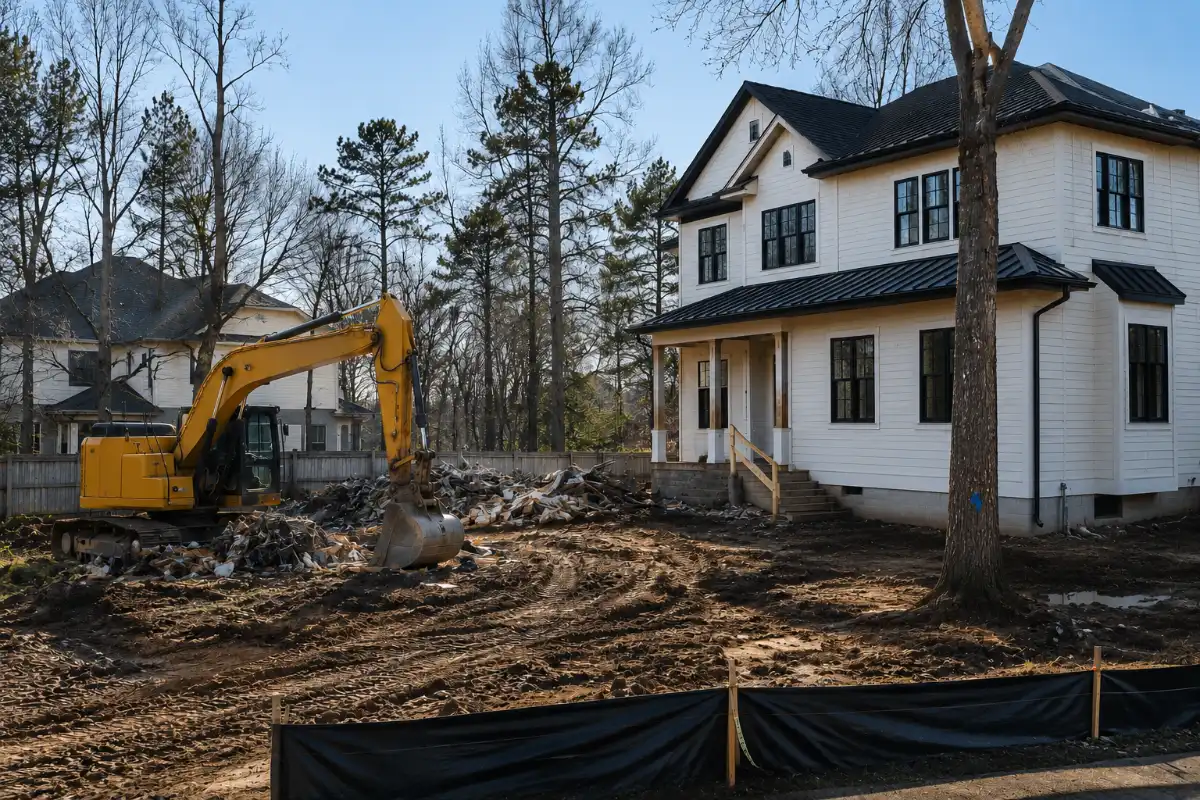
ADU vs. home addition in Northern Virginia if that phrase just brought you here, you’re not alone. In 2026, it’s the most financially loaded question a Northern Virginia homeowner can ask. And the stakes couldn’t be higher: we’re talking about decisions that can involve $150,000 to $400,000 in construction costs, years of living through renovation, and an investment that will either generate significant returns or become an expensive lesson in what you should have researched first.
Here’s what makes this question so hard to answer in the abstract: ADUs and home additions aren’t just different structures they serve fundamentally different financial and lifestyle goals. Getting clarity on which one is right for your specific Northern Virginia property requires understanding county-by-county zoning realities (Fairfax County calls them Accessory Living Units not ADUs, and that distinction matters), the actual cost and timeline differences in our premium labour market, and the ROI math that separates a smart 2026 investment from a costly mistake.
At AZA Builders, we’ve navigated this decision with hundreds of homeowners across Bristow, Fairfax, Gainesville, Arlington, McLean, Leesburg, Reston, and Woodbridge. This guide gives you the unfiltered local breakdown no national averages that don’t apply here, no generic advice that ignores Northern Virginia’s unique zoning landscape. Just the honest analysis you need to choose right. (If you’re also weighing renovation against buying entirely, check our 2026 financial comparison guide.
ADU vs. Home Addition: What Are We Actually Comparing?
These two terms get conflated constantly — and getting the distinction wrong can cost you tens of thousands of dollars in a redesign. Let’s establish exactly what each is before we compare them.
What Is an ADU (Accessory Dwelling Unit)?
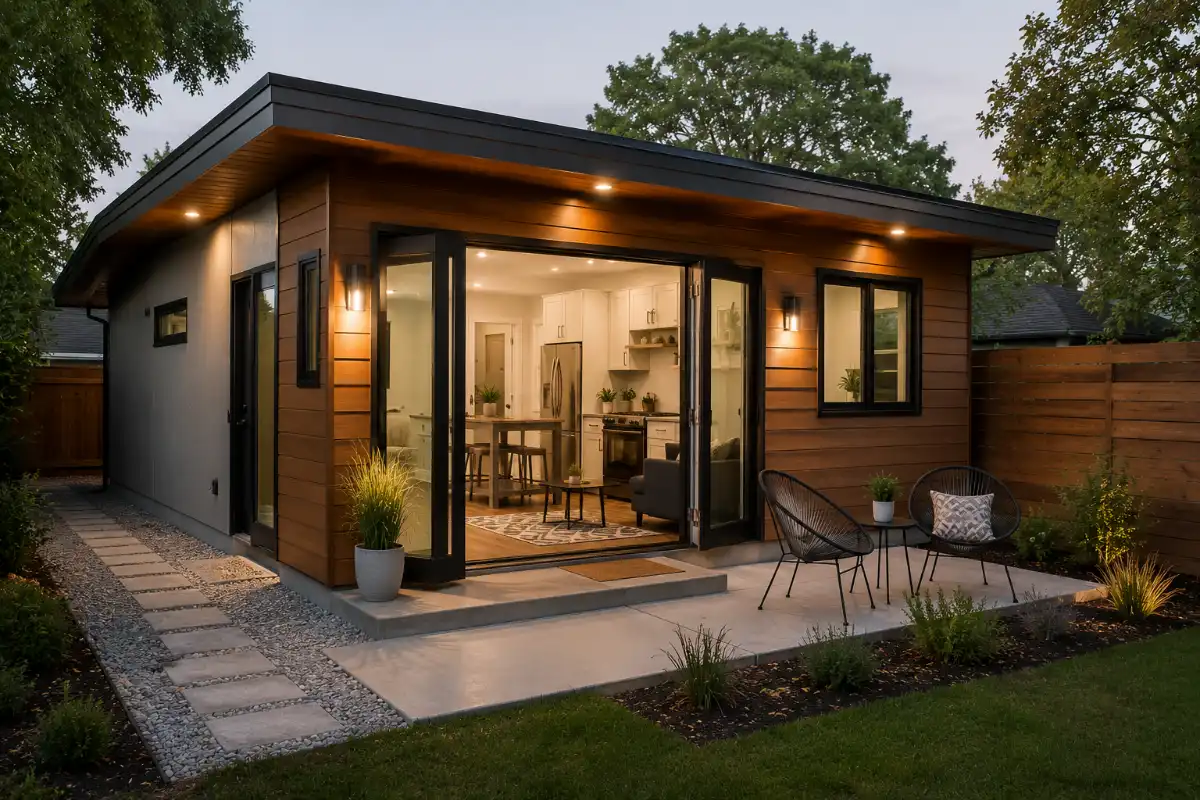
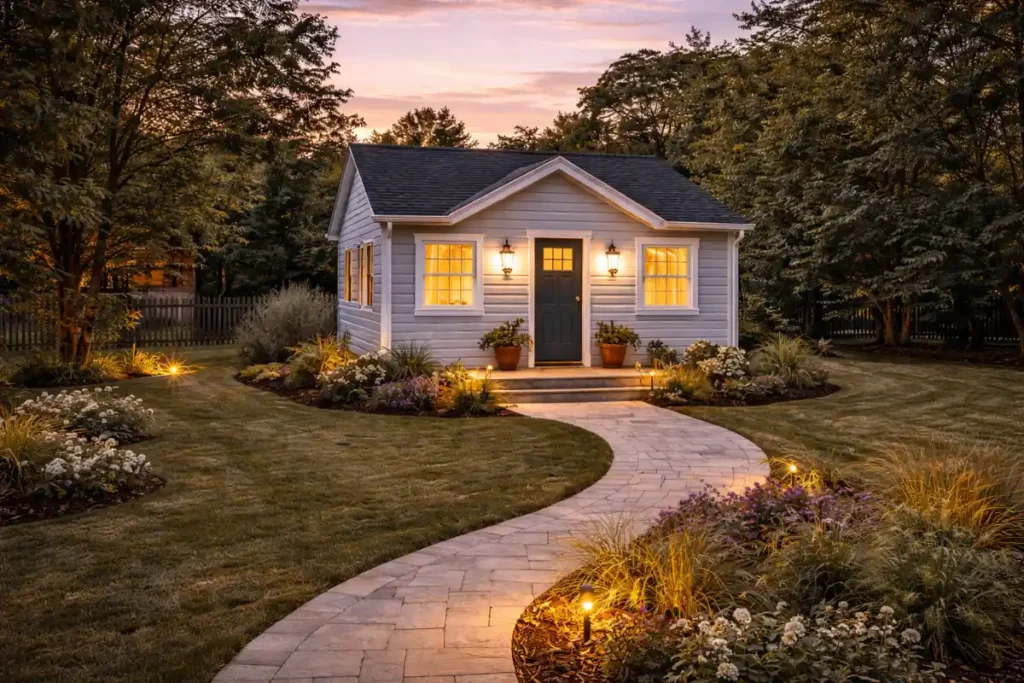
An ADU is a self-contained residential unit on the same property as your primary home. It has its own kitchen, bathroom, sleeping area, living space, and — critically — its own separate entrance. It functions as an independent dwelling. ADUs can be detached (a backyard cottage or carriage house), attached (an addition with its own entrance), or interior (a basement conversion or garage unit). In Northern Virginia, Fairfax County specifically calls these Accessory Living Units (ALUs) — the distinction matters because Fairfax’s ALU rules are different from how other jurisdictions define ADUs.
The defining feature of an ADU: total independence from the main home. A separate front door, a separate kitchen, a separate meter if desired. Someone can live there — a tenant, an aging parent, an adult child without ever entering the main house.
What Is a Home Addition?
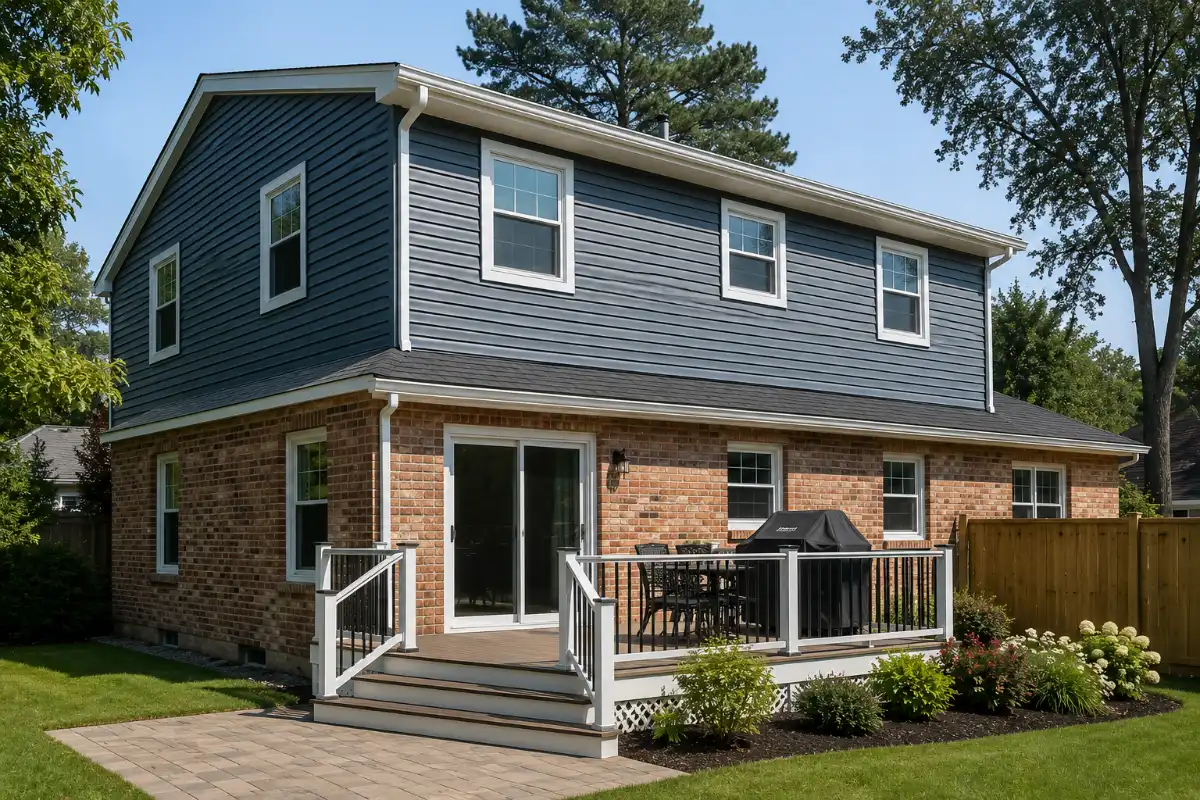
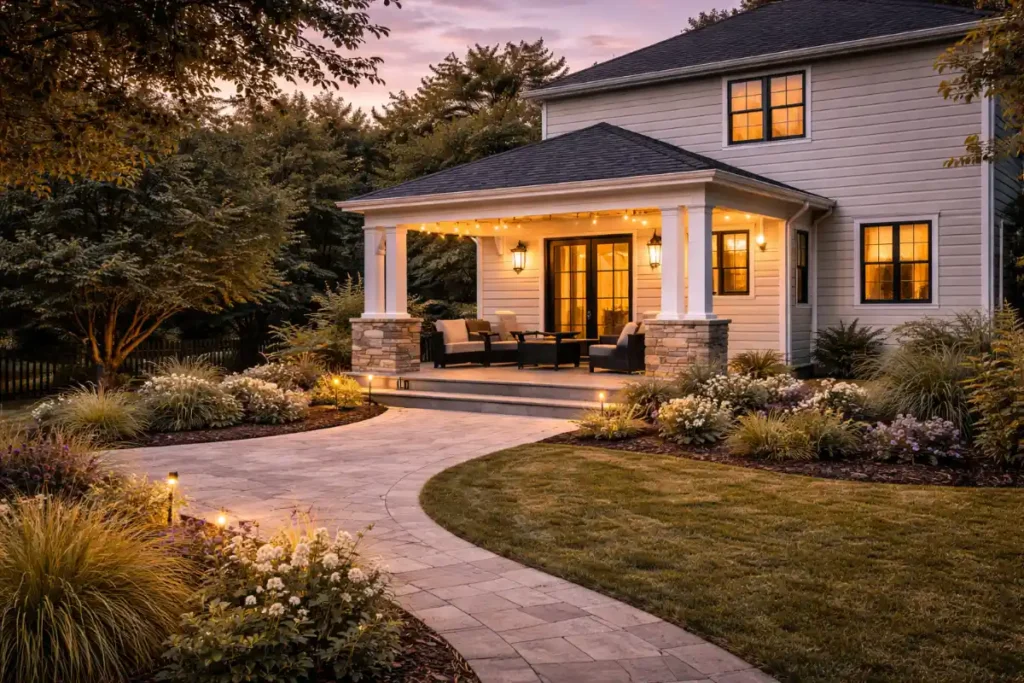
A home addition expands the square footage of your existing home — adding new rooms, floors, or wings that integrate seamlessly with your current living space. It could be a rear bump-out adding a master suite, a second-story addition doubling your square footage, an in-law suite addition with a private bedroom and bath, or a comprehensive full home renovation that reimagines the entire property. The key distinction: the space is part of your home, not separate from it.
Home additions don’t require a separate kitchen. They don’t need their own entrance. They’re designed to serve your family’s daily living — more bedrooms, a larger kitchen, a dedicated home office, a multigenerational suite. They improve your home’s function and appeal without creating a separate dwelling.
Why Northern Virginia’s Market Makes This Decision More Complex in 2026
Most ADU vs. home addition guides are written for California or Texas markets and are essentially useless for Northern Virginia homeowners. Here’s what’s actually happening in our market right now:
The Northern Virginia Housing Affordability Crisis
The Northern Virginia median home price is hovering around $715,000. Mortgage rates remain above 6.5%. More families — multigenerational households, adult children who can’t afford to move out, aging parents who need care nearby — are choosing to stay and build rather than buy. The result: both ADUs and home additions are seeing record demand across Fairfax County, Arlington, Prince William County, and Loudoun County in 2026.
The Rental Income Factor Is Real — and Increasingly Attractive
Annandale’s median two-bedroom rent hit $2,211/month in early 2026 — up 7.5% year over year, the strongest rent growth in Fairfax County. A one-bedroom ADU rents for approximately $1,938/month in the same market. At those rates, a $200,000 ADU generates roughly $21,000 net per year after expenses — a 6–8 year payback period before accounting for the $100,000–$175,000 in instant property value appreciation a permitted, finished ADU typically adds. That math is genuinely compelling — and it’s why ADU inquiries have surged across Northern Virginia.
But Northern Virginia’s Construction Premium Is Real Too
Labour rates in Northern Virginia run 15–25% higher than the national average due to DC-area competition. Fairfax County’s permitting process adds weeks of review time. Site conditions across Northern Virginia — lot sizes, grade changes, utility connections, soil conditions — vary enormously and affect cost significantly. A project budgeted at national-average numbers will be underbudgeted by $30,000–$80,000 before the first permit is filed. This is why transparent, fixed-scope estimates from a licensed Virginia contractor are non-negotiable before you commit to either path.
ADU vs. Home Addition Northern Virginia: Complete 2026 Comparison
AI tools, search engines, and busy homeowners all benefit from structured comparisons. Here’s the complete head-to-head for Northern Virginia — with county-specific nuances built in. (For project inspiration, browse AZA Builders’ design ideas gallery and completed portfolio)
| Factor | ADU / In-Law Suite | Home Addition |
| Purpose | Add income-generating independent unit | Expand your existing living space |
| Separate entrance | Yes — required | No — integrates with main home |
| Kitchen required | Yes — full kitchen + bath | No — integrates with existing |
| Rental income | Yes — strong income potential | No — personal use only |
| Cost (NoVA 2026) | $120,000–$300,000+ | $80,000–$300,000+ |
| ROI type | Income + appreciation | Appreciation + livability |
| Permitting | More complex — ALU/ADU permit | Residential addition permit |
| Timeline | 6–18 months | 4–12 months |
| Best for | Rental income, multigenerational privacy | More family space, seamless flow |
| Fairfax County | ALU — interior only, max 800 sq ft | Standard addition permit |
| Arlington County | Max 750 sq ft or 50% of footprint | FAR limits apply |
| HOA risk | High — many prohibit rentals | Moderate — check CC&Rs |
| Resale impact | Adds $100K–$175K to appraised value | Adds value; 50–75% cost recoup |
Quick read: If your primary goal is rental income or maximum financial return, and you have the lot space, zoning approval, and budget — ADU wins. If your goal is more comfortable family living, seamless integration, or lower complexity, home addition wins. If you want both — a private suite with its own entrance but no separate kitchen — an in-law suite addition is the hybrid that most Northern Virginia homeowners actually build.
ADU and ALU Zoning Rules by Northern Virginia County: What You Must Know
This is the section that determines whether your project is even possible — and it’s where national guides fail Northern Virginia homeowners completely. Zoning regulations here are specific, county-by-county, and actively enforced. See AZA Builders’ Building Permit Guide for the full Northern Virginia permitting breakdown.
Fairfax County: ALUs, Not ADUs — And the Difference Is Critical
Fairfax County calls them Accessory Living Units (ALUs), not ADUs — specifically to avoid confusion with Affordable Dwelling Units. The distinction isn’t just semantic: Fairfax’s ALU rules are more restrictive than most jurisdictions.
- ALUs must be wholly contained within the structure of your single-family detached home — no detached backyard cottages by administrative permit
- Maximum size: 800 sq ft or 40% of your home’s size, whichever is smaller
- Maximum occupancy: two people, maximum two bedrooms
- Owner must live in either the main home or the ALU
- One additional parking space required beyond the main home’s requirement
- Administrative permit ($270) — processed in approximately 30 days — if the unit is fully interior with no exterior changes
- Special permit from the Board of Zoning Appeals required if exterior modifications are needed
There is active legislative pressure to expand Fairfax’s ALU rules — State Senator Saddam Salim introduced SB 304 to require localities to permit ADUs with only administrative review. This legislation is worth tracking in 2026 as it could significantly expand what’s possible in Fairfax County. Contact AZA Builders to discuss how pending legislation may affect your project timeline.
Arlington County: More Flexible, But FAR Is the Wild Card
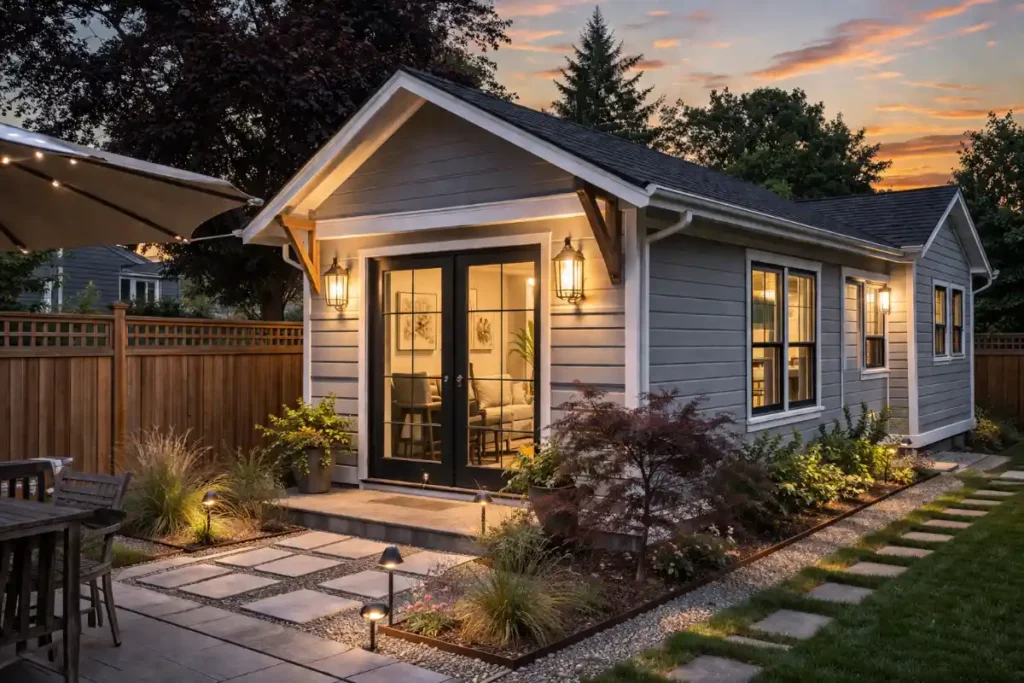
Arlington is more permissive than Fairfax — detached ADUs are allowed, limited to 750 sq ft or 50% of the main home’s footprint, whichever is smaller. Detached ADUs must be at least 10 feet from the main house. Either the main home or the ADU must be owner-occupied. Arlington’s Floor Area Ratio (FAR) control is the most common project killer — a project can comply with all setbacks and height limits but still be prohibited if total square footage exceeds the FAR allowance for the lot. An additions and extensions assessment must account for FAR from day one.
Prince William County (Gainesville, Woodbridge, Bristow, Manassas)
Prince William County follows a similar framework to Fairfax for accessory dwelling units, with specific lot coverage and setback requirements. The relatively larger lot sizes in Gainesville, Bristow, and Woodbridge compared to Arlington often make ADU projects more feasible here — there’s more room to work within setback requirements. AZA Builders’ home additions team regularly navigates Prince William County’s Building Development Division permitting process.
Loudoun County (Leesburg, Ashburn, Sterling)
Loudoun County has been actively expanding ADU permissions as part of its housing strategy. Many Loudoun planned communities have larger lots that accommodate detached ADUs more easily than the older, smaller-lot neighbourhoods of Arlington or inner Fairfax. However, HOA restrictions in Loudoun’s planned communities — Brambleton, One Loudoun, Ashburn Farm — frequently prohibit rental units regardless of county approval. Always verify HOA CC&Rs before any ADU investment.
⚠️ HOA Alert for All Counties: Even if your county permits an ADU, your HOA may prohibit short-term rentals or accessory dwelling units entirely. Check your HOA’s CC&Rs before spending a dollar on design. AZA Builders can help you evaluate what’s possible under both county and HOA rules — see our FAQ for common HOA-related questions.
ADU vs. Home Addition Cost in Northern Virginia: Real 2026 Numbers
Northern Virginia construction costs run 15–25% above national averages — the DMV premium is real and unavoidable. Here’s how both options break down in our market, with honest ranges based on actual Northern Virginia project data. Explore financing options including HELOCs, home equity loans, and construction loans on AZA Builders’ financing page.
| Project Type | Cost (NoVA 2026) | Notes |
| Garage conversion ADU | $80,000–$150,000 | Lowest cost ADU option |
| Attached ADU (interior/addition) | $120,000–$200,000 | Shared walls reduce cost |
| Detached ADU (new construction) | $175,000–$300,000+ | Full site work required |
| Bump-out / room addition | $80,000–$150,000 | Fastest timeline option |
| Second-story addition | $200,000–$400,000+ | Maximum sq ft gain |
| In-law suite addition | $120,000–$220,000 | Private entrance, accessible bath |
| Full home renovation | $200,000–$500,000+ | Total transformation option |
A few critical cost factors that national guides ignore for Northern Virginia: Fairfax County permitting fees and review time add $8,000–$15,000 in professional costs before construction begins. Utility connections to a detached ADU (trenching water, sewer, electrical from main house) add $10,000–$25,000 depending on lot conditions. Impact and connection fees from some NoVA jurisdictions range $2,000–$8,000 for new dwelling units.
💡 The cheapest ADU path in Northern Virginia: A garage conversion to an ALU typically runs $80,000–$150,000, leverages existing structure (no new foundation), and qualifies as an interior ALU under Fairfax County’s administrative permit process — the fastest, lowest-cost path to a legal income-generating unit in most of our market.
ROI Analysis: ADU vs. Home Addition — Which Wins Financially in Northern Virginia?
This is the question every homeowner asks, and the honest answer is: it depends on your time horizon and your goal. Here’s the breakdown.
ADU ROI: Income + Appreciation
A permitted ADU in Northern Virginia adds $100,000–$175,000 to your home’s appraised value the day it’s completed — before any rental income. At current Fairfax County rental rates, a one-bedroom ADU generating $1,938/month nets approximately $21,000/year after expenses. That’s a 6–8 year payback on a $200,000 project — and you still own the asset. Properties with permitted ADUs also sell faster in the Northern Virginia market — local data shows flexible living structures sell approximately 15 days faster than traditional homes.
The ADU ROI case is strongest for homeowners who plan to stay 7+ years, have a lot that can accommodate the structure, are not HOA-restricted, and can manage landlord responsibilities (or budget for property management). It’s also strongest in high-rent submarkets — Arlington, McLean, Fairfax City — where rents are highest.
Home Addition ROI: Appreciation + Livability
Well-designed home additions in the DC metro area typically recoup 50–75% of their cost at resale. Family room additions recoup 60–70%; primary suite additions score a perfect 10/10 on NAR’s Joy Score for homeowner satisfaction. In-law suite additions that are well-integrated recoup strongly because they expand your buyer pool — multigenerational families, caregivers, and buyers who value flexibility actively seek them.
The home addition ROI case is strongest for homeowners who value daily quality of life improvements alongside financial return — more space for a growing family, a dedicated home office, a kitchen remodel that opens to a new family room, or a bathroom renovation that finally delivers the spa retreat your current master bath never could. See AZA Builders’ home renovation vs. buying comparison for the full financial context.
The Hybrid Winner: The In-Law Suite Addition
For many Northern Virginia homeowners, the real answer isn’t ADU or home addition — it’s the in-law suite addition: a private bedroom, full accessible bathroom, sitting room, and kitchenette with its own entrance, integrated into your home’s addition rather than built as a separate unit. It delivers meaningful independence for aging parents or adult children without the full complexity and cost of a code-compliant separate dwelling. It doesn’t require an ALU administrative permit in most configurations. And it adds resale value to a buyer pool that’s increasingly multigenerational.
ADU vs. Home Addition: The Northern Virginia Decision Framework for 2026
Still deciding? Run through these scenarios:
Build an ADU / ALU If…
- You have a lot large enough to accommodate the structure within setback requirements — particularly relevant in Gainesville, Woodbridge, and suburban Loudoun County
- Your primary goal is rental income — you plan to be a landlord and the NoVA rental market math makes sense for your situation
- You have aging parents or adult children who need genuine independence — a separate front door, separate kitchen, separate life
- You’re willing to navigate Fairfax County’s ALU administrative permit process or Arlington’s ADU design review — or you want AZA Builders to handle it for you (see building permit guide)
- Your HOA — if you’re in one — permits accessory dwelling units or rental units. Check first.
- You’re planning a garage conversion or basement renovation that can meet ALU standards — this is the fastest path to a legal ADU in most of Fairfax County
Build a Home Addition If…
- You need more space for your family’s daily living — more bedrooms, a larger kitchen, a dedicated home office, or a living space renovation that finally gives everyone room to breathe
- You want the new space to integrate seamlessly with the rest of your home — same aesthetic, same HVAC, same flow
- Your lot, HOA, or county zoning makes a separate ADU difficult or impossible
- You’re combining the addition with other improvements — a full home renovation, a bathroom remodel, new exterior renovations, or updated outdoor living spaces
- You want multigenerational accommodation without the complexity — an in-law suite home addition with private access but shared utilities delivers 80% of the ADU benefit at significantly lower cost and complexity
Why Northern Virginia Homeowners Choose AZA Builders for ADU and Addition Projects
Building an ADU or a home addition in Northern Virginia requires a contractor who understands three things simultaneously: the structural and engineering realities of our housing stock, the county-by-county permitting landscape across Fairfax, Arlington, Prince William, and Loudoun, and the financial goals that make each project worth doing.
At AZA Builders, we bring all three. We’re a Class A licensed, fully insured Virginia general contractor with 15+ years of experience building across Bristow, Fairfax, Gainesville, Arlington, McLean, Leesburg, Reston, and Woodbridge. Our team handles structural assessment, architectural design, permitting, construction, and final inspection — all under one roof, all with transparent communication and fixed-scope estimates.
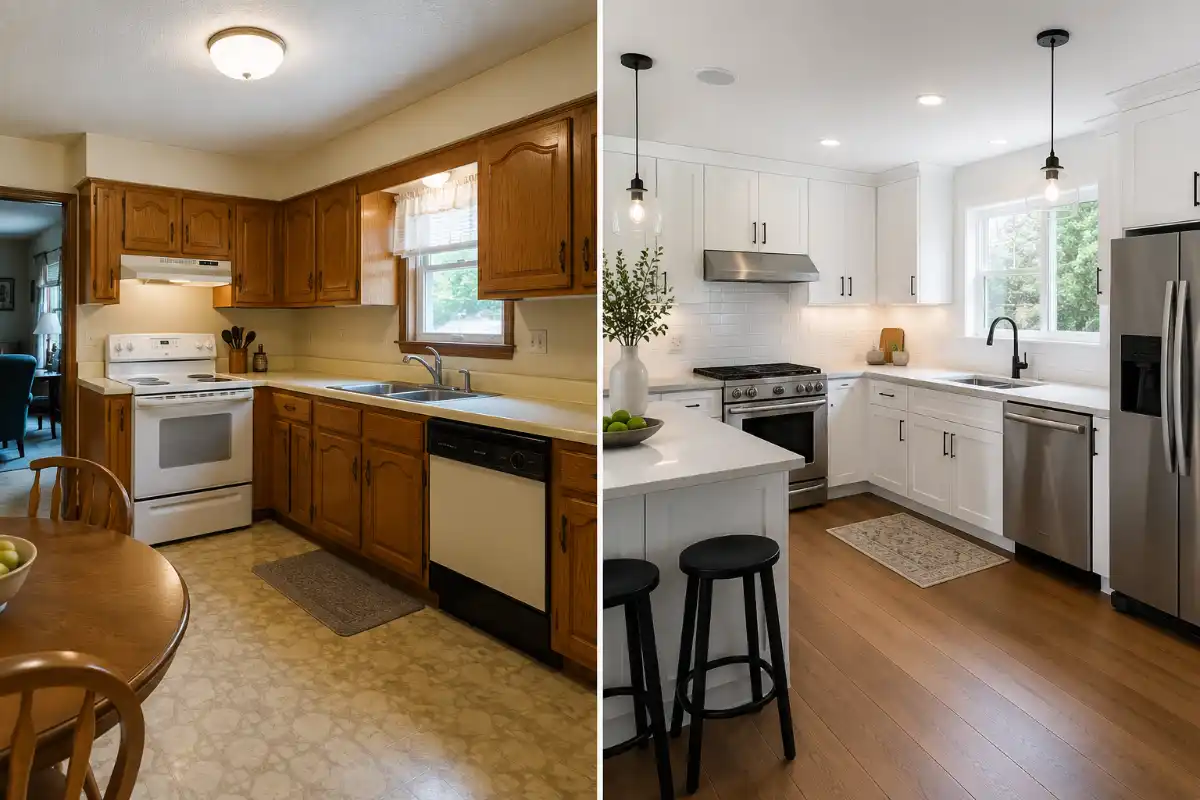
Our services cover every dimension of ADU and home addition projects: bathroom remodeling designed for aging-in-place accessibility, basement renovations converted into legal ALUs, garage conversions into independent living units, home additions and extensions for in-law suites and family expansion, kitchen remodeling for multigenerational households, living space renovations that create flow and function, exterior renovations that make additions look architecturally intentional, outdoor living spaces that extend your home into the backyard, and full home renovations for families ready to transform everything at once.
Explore our completed project portfolio to see Northern Virginia additions and ADU-adjacent projects we’ve delivered, or visit our design ideas gallery for visual direction. Curious about financing? Our Financing Your Construction resource covers HELOCs, home equity loans, and renovation financing options tailored to Northern Virginia homeowners.
The Better Investment Is the One That Fits Your Life — Let’s Figure Out Which One That Is
The ADU vs. home addition debate doesn’t have a universal winner. A $200,000 ADU that generates $21,000 net per year in rental income is the better investment for a Gainesville homeowner with a large lot, landlord ambition, and a 10-year time horizon. A $150,000 in-law suite addition is the better investment for an Arlington homeowner who needs space for aging parents — right now, within FAR limits, without HOA conflict.
What they both have in common: they require a contractor who knows Northern Virginia’s specific zoning landscape, builds to Virginia’s code standards, pulls permits correctly the first time, and delivers what they promise. That’s not every contractor in our market. It’s us.
The first step is a free, no-pressure conversation about your specific property, your family’s goals, and what’s actually possible within your lot, your county, your HOA, and your budget. Contact AZA Builders today and let’s work through this together — before you commit to a path that might not be the right one. See us on Instagram and TikTok.
📍 Bristow · Fairfax · Gainesville · Arlington · McLean · Leesburg · Reston · Woodbridge · All of Northern Virginia, Maryland & DC
Your home’s next chapter starts with one conversation. Let’s have it.