Custom Home Building Checklist for Northern Virginia Homeowners starts with one truth nobody tells you: building a custom home isn’t “one big project.” It’s about 300 small decisions that can either feel smooth and exciting… or turn into a chaos buffet with extra stress on the side.
So let’s make this simple.
This checklist is built for real homeowners in Northern Virginia, including Fairfax, Loudoun County, Arlington, Falls Church, McLean, Reston, Gainesville, Haymarket, Leesburg, Burke, Centerville, Oakton, Great Falls, Fairfax Station, Fredericksburg, and Woodbridge. It’s designed to help you plan like a pro, avoid expensive surprises, and stay in control without needing to become a part-time construction manager.
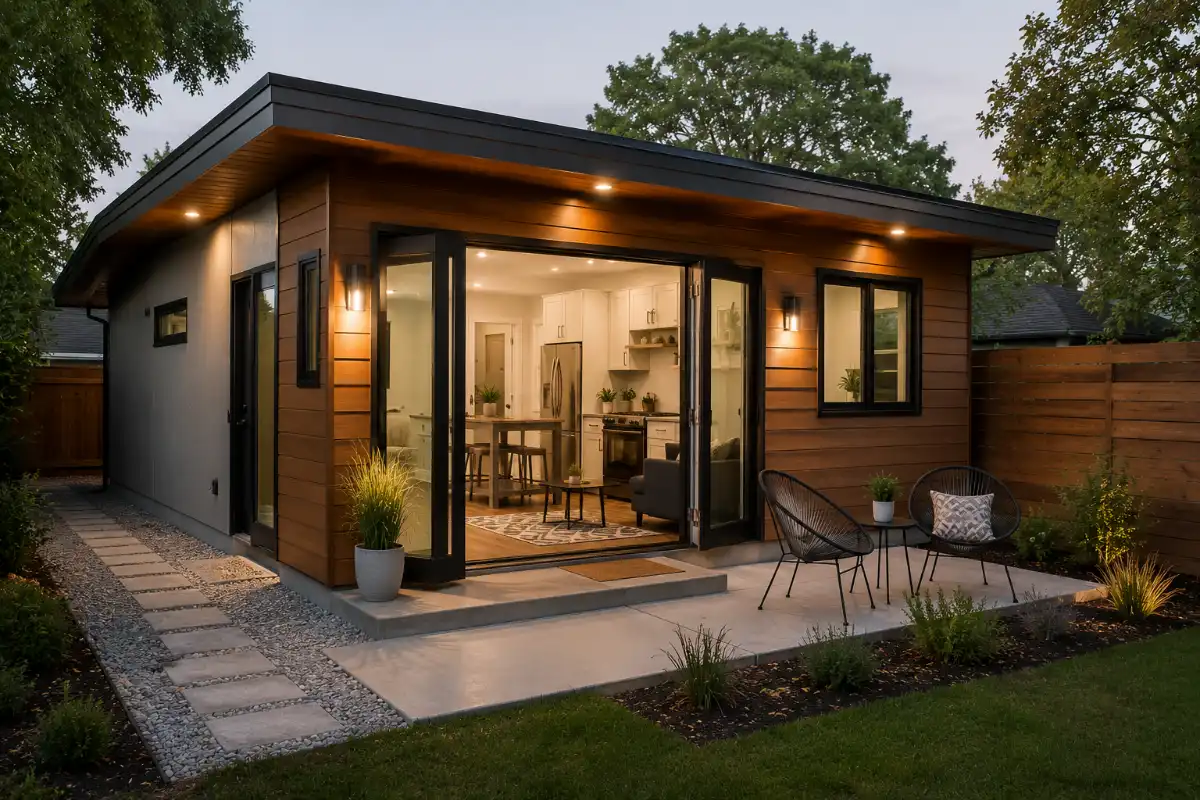
And if you want a team that can handle the full process end-to-end, AZA Builders helps Northern Virginia homeowners with custom builds and related upgrades like Full Home Renovation, Home Additions & Extensions, Kitchen Remodeling, Bathroom Remodeling, Basement Renovations, Living Space Renovation, Exterior Renovations, Garage Conversion, and Outdoor Living.
Now let’s get you the checklist you’ll actually use.
Call AZA Builders today at (571) 393-2722 for a free estimate
Why competitor checklists don’t rank long-term (and how we beat them)
The competitor piece you shared is helpful, but it’s built like a generic brainstorming list. It leans heavy on “don’t forget outlets” and “think about the garage,” which is fine… but it misses what Northern Virginia homeowners actually need to avoid delays and budget blowups:
What we’re adding that competitors don’t cover well
- A true phase-by-phase construction checklist (not a random idea dump)
- NoVA-specific realities: permits, inspections, HOA restrictions, site constraints
- Budget guardrails that prevent change-order spirals
- A decision timeline so you don’t choose cabinets after framing (yes, people do this)
- A materials + lead time strategy (because backorders are real)
- A quality-control punchlist at every stage
- Snippet-friendly sections that help you win AI answers and featured snippets
This is how you build content that ranks and converts.
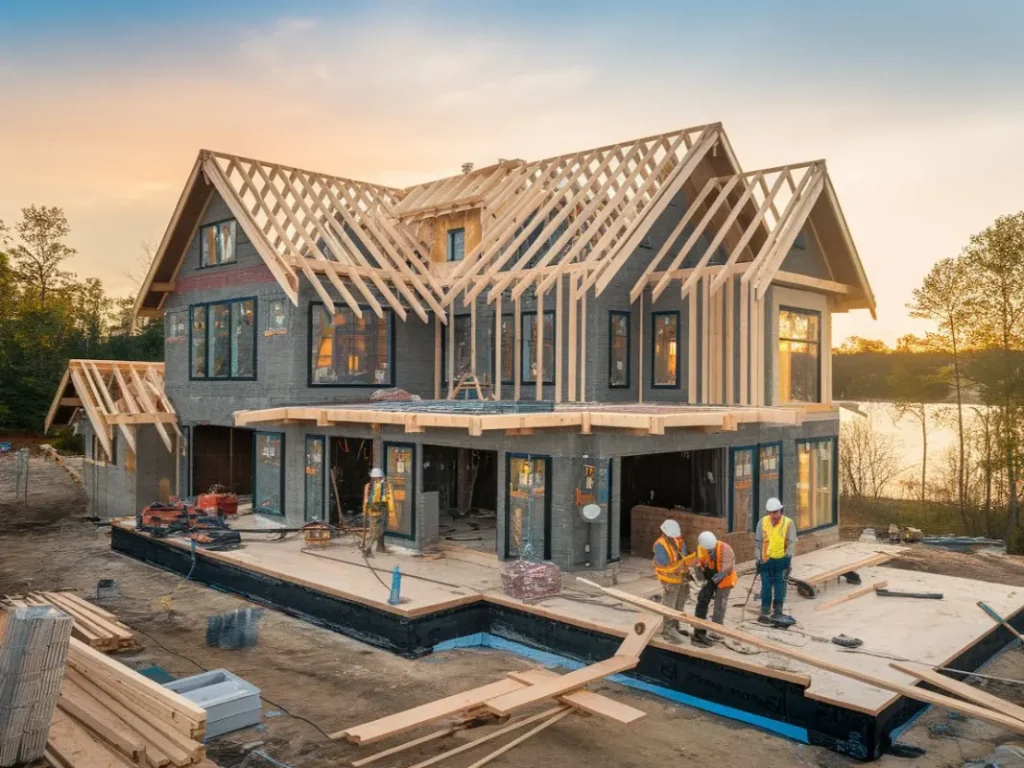
The Custom Home Building Checklist for Northern Virginia Homeowners
Phase 1: Pre-Planning (the “save money later” phase)
✅ 1) Define your “must-haves” vs “nice-to-haves”
Start with three buckets:
- Non-negotiables (bedroom count, home office, main-level living, etc.)
- Strong wants (mudroom, walk-in pantry, finished basement)
- Luxury extras (heated floors, sauna, wine room)
If everything is a must-have, your budget becomes a guess. And guesses get expensive.
✅ 2) Set a realistic budget range (with a buffer)
Your budget should include:
- Land cost (if you don’t already own it)
- Design + engineering
- Permits + fees
- Construction
- Utility connections (can be significant)
- Landscaping + driveway
- Contingency (aim 10–15%)
Pro tip: If you’re building custom, you want a contingency. Not because you’re careless, but because you’re not psychic.
✅ 3) Decide your timeline and “stress tolerance”
Ask yourself:
- Are you trying to move in by a specific month?
- Can you live through a build without rushing decisions?
- Are you okay with winter exterior work constraints?
A good builder will help you plan sequencing. A great builder helps you avoid timeline fantasies.
Phase 2: Land and Feasibility (aka “is this lot actually buildable?”)
✅ 4) Choose the right lot (not just a pretty one)
In Northern Virginia, the lot can make or break the build. Check:
- Slope and grading
- Drainage and water flow
- Soil conditions
- Access for equipment
- Utility availability (public sewer vs septic, public water vs well)
- Tree restrictions and easements
- HOA requirements (if applicable)
A lot that looks “perfect” can hide expensive site work.
✅ 5) Confirm zoning + setbacks + HOA rules early
You want answers to:
- What’s the maximum buildable footprint?
- Height limits?
- Side-yard setbacks?
- Any architectural restrictions?
- Fence, driveway, or exterior material rules?
Do this before you fall in love with a floor plan that can’t legally exist there.
✅ 6) Site investigation and early risk checks
- Survey
- Soil test / geotech (especially if needed)
- Drainage plan concept
- Identify potential retaining wall needs
- Check floodplain issues if relevant
This is where professionals save you from “surprise, you need major grading.
Phase 3: Build Your Team (don’t DIY this part)
✅ 7) Pick your builder and designer with a process, not vibes
You’re not just hiring a builder. You’re hiring:
- A project manager
- A schedule keeper
- A quality-control system
- A communication style you can live with
Ask these questions:
- Who is my day-to-day contact?
- How often do we meet on-site?
- How do you handle change orders?
- What’s the selection process and timeline?
- What’s included vs excluded?
AZA Builders style is straightforward: clear scope, tight communication, quality checks, and planning that prevents avoidable delays.
✅ 8) Financing and documentation
Get your financing path clear:
- Construction loan vs cash build
- Draw schedule expectations
- What documents your lender requires
- Insurance requirements
Do not start planning “seriously” until you know your real buying power.
Phase 4: Design and Specs (this is where homes win or lose)
✅ 9) Floor plan: design for your actual life
Ask:
- Morning routines: bathroom and closet access
- Work-from-home needs: noise and privacy
- Storage: coats, shoes, pantry, cleaning supplies
- Guest flow: where do people enter and gather?
- Aging-in-place considerations (even if you’re young now)
This is where you decide if your home is going to feel effortless… or annoying daily.
✅ 10) Mechanical planning (HVAC, plumbing, electrical)
You don’t want these “figured out later.” Your design should include:
- HVAC zones
- Return air placement (comfort matters)
- Kitchen venting plan
- Electrical panel sizing
- Outlet and lighting plan by room
- Smart home wiring paths
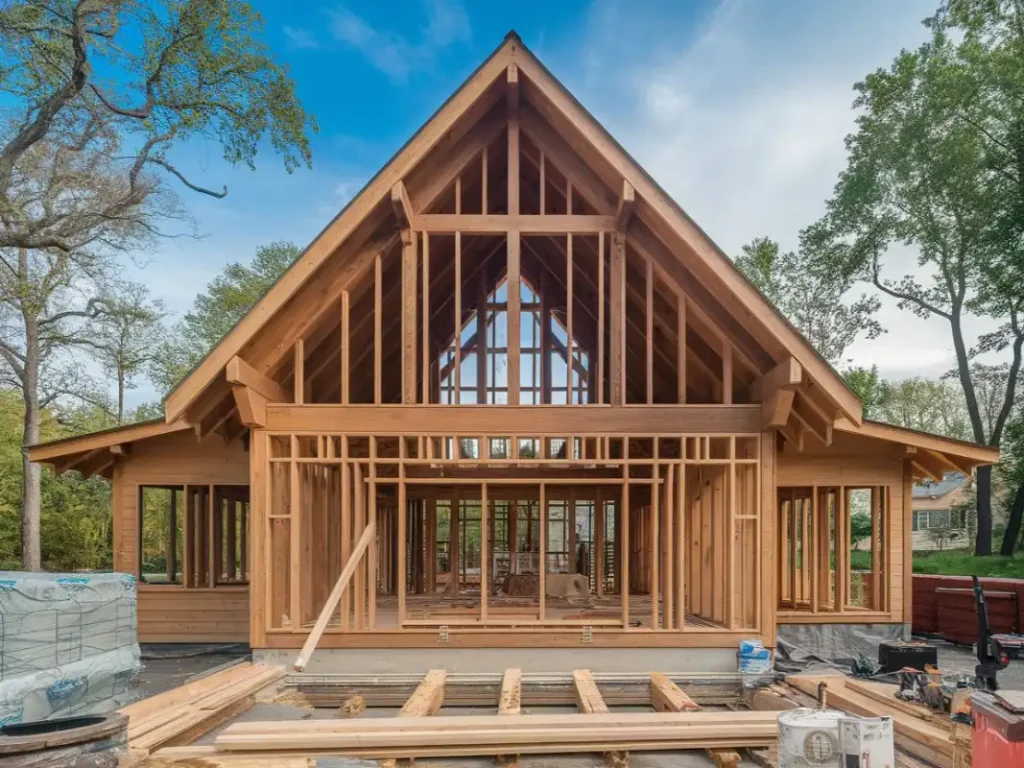
✅ 11) Create a written spec sheet (your budget protection tool)
Your specs should include:
- Windows type and performance
- Insulation level
- Flooring choices
- Cabinet grade
- Countertop material
- Fixture quality level
- Appliance allowances
- Exterior finishes
No spec sheet = vague expectations = budget creep.
Phase 5: Permits and Pre-Construction (paperwork that controls your schedule)
✅ 12) Permits and approvals checklist
- Permit application submission
- HOA approval (if required)
- Utility approvals (if applicable)
- Any required revisions
- Permit issuance timeline
Permits don’t move faster because you’re excited.
✅ 13) Pre-construction meeting checklist
Before breaking ground:
- Confirm schedule milestones
- Confirm selection deadlines (cabinets, windows, exterior finishes)
- Confirm what you’ll be responsible for (owner-supplied items)
- Confirm site access rules and safety
This meeting prevents 90% of misunderstandings.
Phase 6: Construction Checklist (the real build, step-by-step)
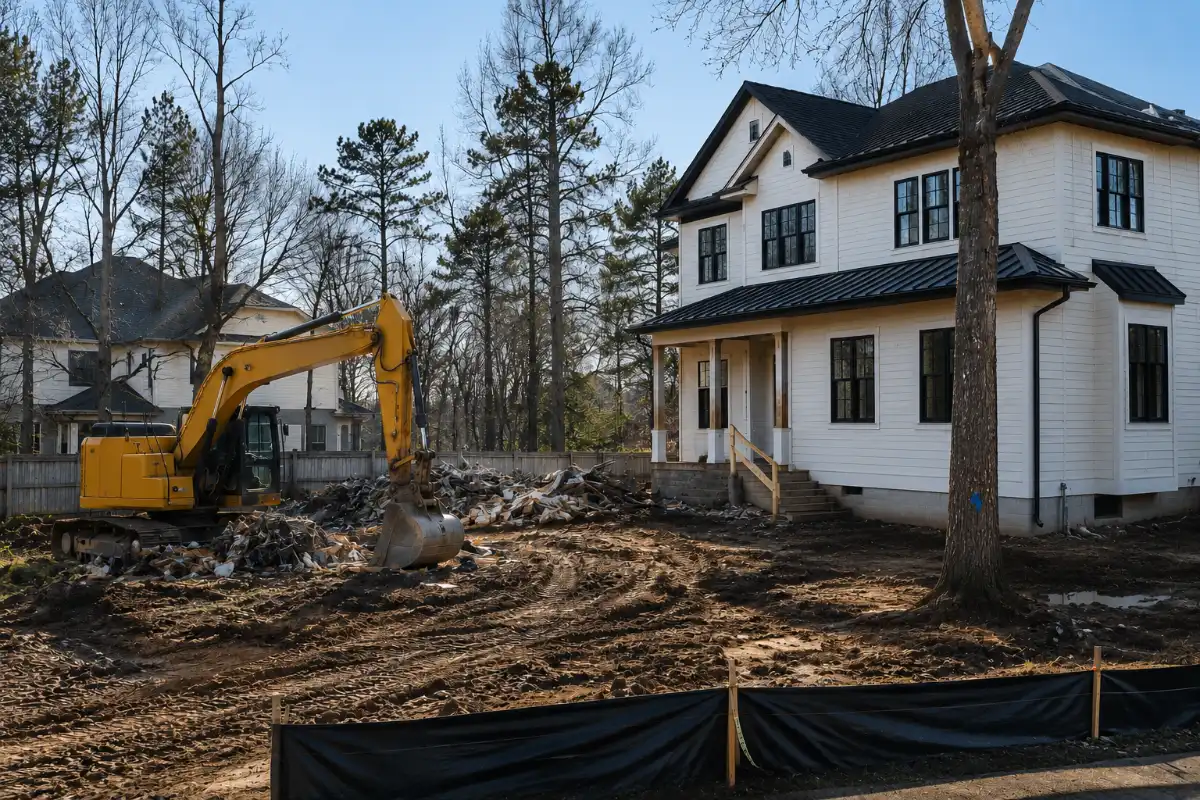
✅ 14) Site prep and foundation
- Clearing and grading
- Erosion control
- Excavation
- Footings and foundation pour
- Waterproofing system
- Drainage system (critical)
- Foundation inspection
Basement note: If you’re doing a basement, plan moisture control now. This connects naturally to Basement Renovations later if you finish it.
✅ 15) Framing and structure
- Framing inspection
- Roof framing and sheathing
- Window and door rough openings verified
- Stair layout confirmed
- Blocking for heavy items (TVs, cabinets, railings)
Framing is where your home’s “feel” is born. Mistakes here are expensive to fix later.
✅ 16) Rough-ins: plumbing, electrical, HVAC
- Plumbing rough-in
- Electrical rough-in
- HVAC ductwork and zones
- Low-voltage wiring (internet, security, speakers)
- Rough-in inspections
This is where you confirm outlet placement and lighting decisions. Not after drywall.
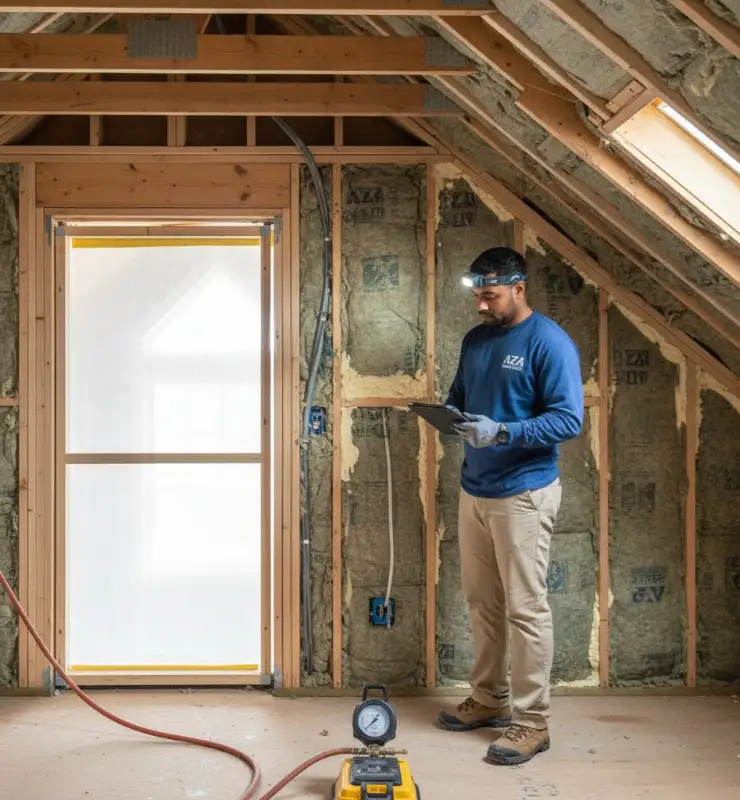
✅ 17) Insulation and air sealing
- Wall insulation
- Attic insulation
- Air sealing details
- Proper ventilation planning
Comfort is not a luxury. It’s the difference between loving your home and complaining about it forever.
✅ 18) Exterior build-out (weather protection + curb appeal)
- Roofing installed
- Siding or exterior cladding
- Windows and doors installed
- Gutters and drainage plan completed
- Exterior paint/finish
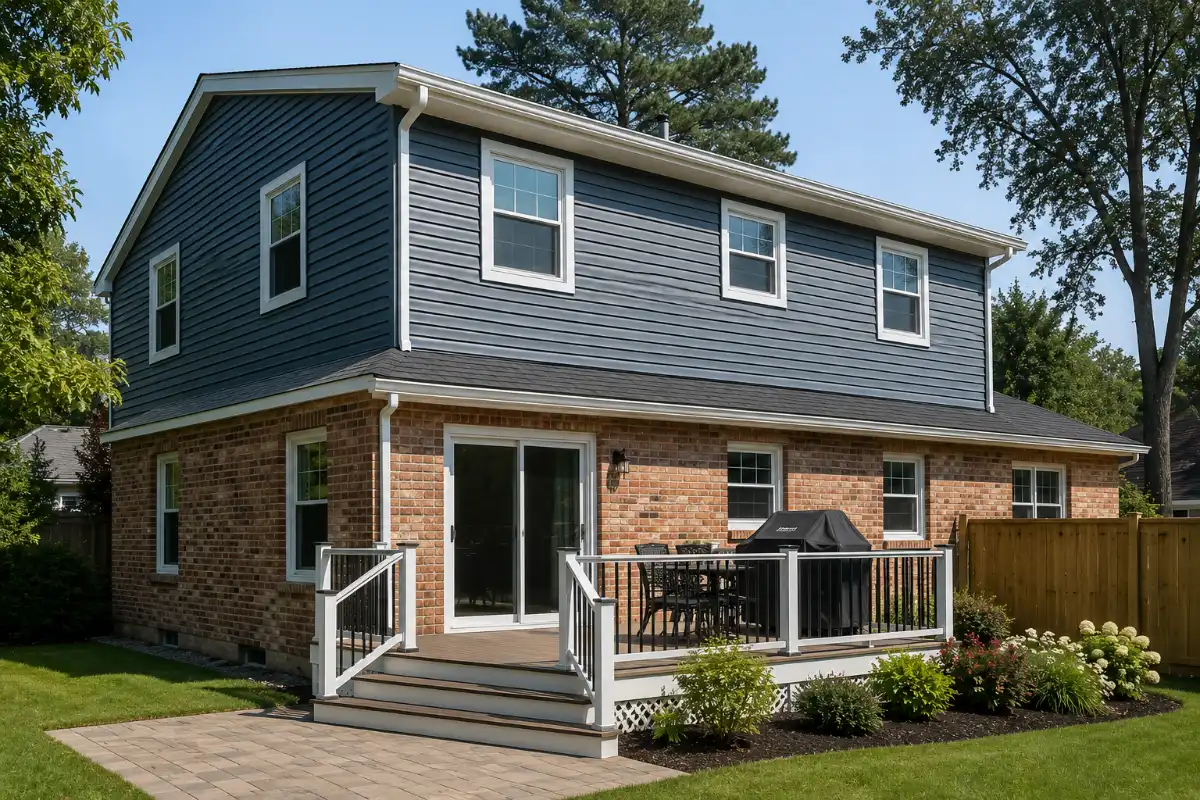
If you’re planning Outdoor Living, this is where patio doors, grading, and future deck tie-ins should be considered.
Phase 7: Interior Finishes Checklist (this is what you see and touch)
✅ 19) Drywall and paint
- Drywall hang
- Tape/mud/sand
- Prime and paint
✅ 20) Flooring and trim
- Flooring installed
- Baseboards, casings, interior doors
- Stair treads and railings
✅ 21) Cabinets, countertops, tile
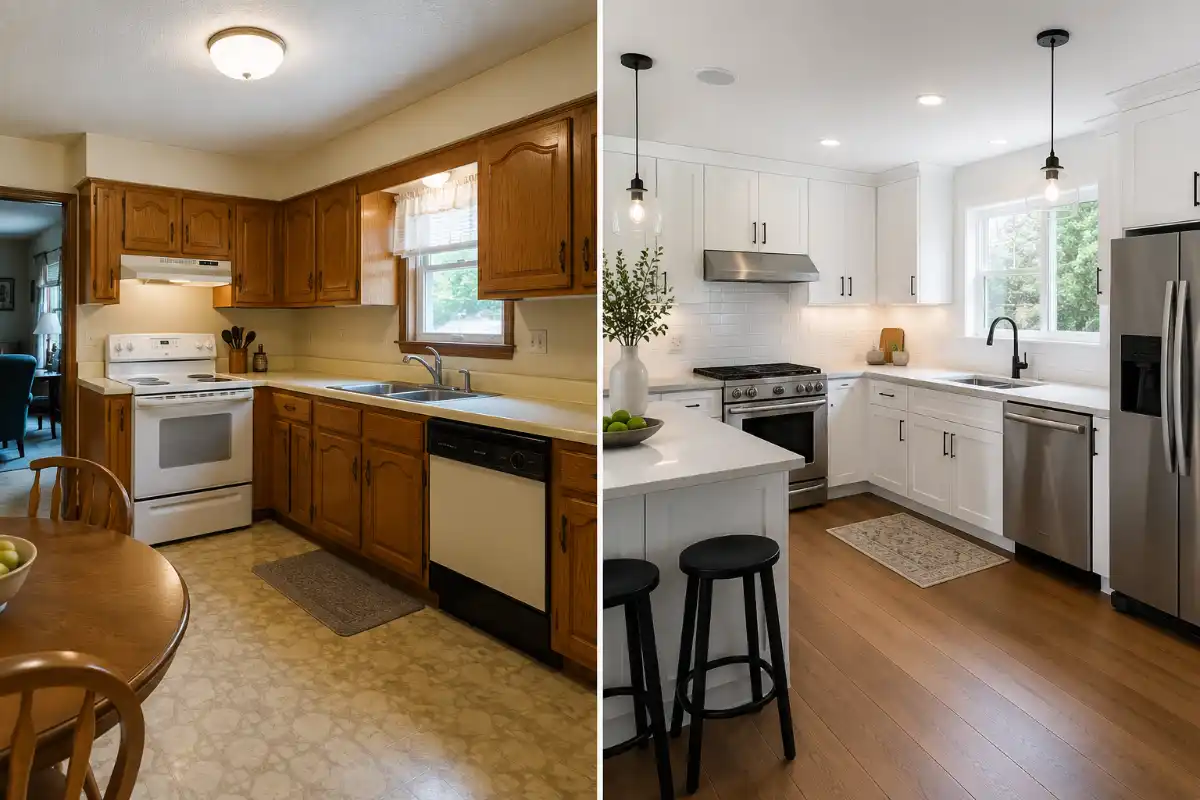
- Kitchen cabinets installed (Kitchen Remodeling logic applies here too)
- Countertops templated and installed
- Tile set in bathrooms and laundry (Bathroom Remodeling decisions matter big time)
- Plumbing fixtures installed after tile
✅ 22) Lighting and electrical finish
- Switches and outlets
- Light fixtures installed
- Panel labeled
- Smart switches tested
✅ 23) Appliances, final plumbing, HVAC balancing
- Appliances installed and tested
- Faucets and toilets tested
- HVAC balanced and verified
- Ventilation verified (bath fans, range hood)
Phase 8: Inspections, Walkthrough, and Move-In (don’t rush this)
✅ 24) Final inspections checklist
- Building final
- Electrical final
- Plumbing final
- HVAC final
✅ 25) Punch list walkthrough (be picky, it’s your house)
Check:
- Paint touch-ups
- Door alignment
- Tile grout quality
- Cabinet door alignment
- Flooring transitions
- Window operation
- Caulk lines
A good builder expects a punch list. A great builder closes it quickly.
✅ 26) Warranty and documentation checklist
Make sure you receive:
- Warranty coverage details
- Product manuals
- Paint colors and finish list
- Flooring care instructions
- As-built documentation if available
Room-by-Room “Don’t Forget This” Checklist (Quick Hits)
Kitchen checklist (high-impact)
- Outlet placement (including island)
- Pantry storage strategy
- Task lighting
- Vent hood strength and duct path
- Trash/recycling pull-out
- Appliance sizes confirmed early
This naturally supports internal linking to Kitchen Remodeling.
Bathrooms checklist (daily comfort)
- Shower niche placement
- Vent fan quality
- Lighting layers (mirror + ceiling)
- Storage (vanity drawers beat cabinets)
- Water pressure and fixture selection
Supports internal linking to Bathroom Remodeling.
Living spaces checklist
- Window placement for furniture
- TV wall wiring + blocking
- Sound control (especially open concept)
Supports internal linking to Living Space Renovation.
Garage checklist
- Storage and shelving plan
- EV charger readiness
- Drainage and floor finish
Supports internal linking to Garage Conversion if that’s future planning.
Cost-Control Moves That Keep Your Custom Home Build From Going Sideways
Here’s how homeowners blow budgets:
- Changing layouts after permits
- Picking finishes late
- Upgrading everything without a strategy
- Not planning lead times
Here’s how you avoid it:
- Lock layout early
- Decide on finish “tiers” (good, better, best)
- Approve specs before ordering
- Track decisions in one shared document
Custom Home Building Checklist FAQs
How long does it take to build a custom home in Northern Virginia?
Most custom home builds take several months to over a year, depending on permits, complexity, and finish level.
What’s the first step in a custom home build?
Choose your budget range, confirm financing, and verify your lot is buildable. Everything else builds from that.
When should I choose cabinets and windows?
Earlier than most people think. Lead times can be long, and choices affect framing and electrical plans.
Do I need permits for a custom home build?
Yes. Permits and inspections are standard. Local timelines vary, so build that into your schedule.
Ready to Build in Northern Virginia? Here’s the Smart Next Step
If you’re serious about building a custom home, the fastest path isn’t rushing. It’s planning like someone who’s done it before.
That’s what AZA Builders does with homeowners across Northern Virginia: clear planning, realistic scheduling, quality construction, and communication that doesn’t disappear once the contract is signed.
If you want help turning this checklist into a real build plan, here’s what we typically recommend:
- A site + feasibility review
- A rough budget + scope alignment
- A design and selections timeline that prevents delays
- A build schedule with milestones you can actually track
And if your custom build includes related projects like a finished lower level (Basement Renovations), spa-level baths (Bathroom Remodeling), chef-grade layouts (Kitchen Remodeling), or future expansions (Home Additions & Extensions), we plan those from the start so your home feels cohesive, not patched together. See us on Instagram & YouTube.