If you’re stuck choosing Garage Conversion vs Home Addition, you’re not alone. In Northern Virginia, this question comes up constantly because homeowners want more space, but they don’t want to waste money or make a decision that hurts resale later.
Here’s the honest truth: both options can be smart. Both can also backfire if you pick the wrong one for your neighborhood, your home layout, or your long-term plans.
This guide walks you through how Virginia homeowners should decide in 2026, with real-life factors like zoning, permits, neighborhood expectations, home value, and how disruptive the project will be. And yes, we’ll keep it practical and straightforward, the way AZA Builders explains it during real consultations across Sterling, Fairfax, Loudoun County, Arlington, Alexandria, and nearby areas.
Garage Conversion vs Home Addition: what’s the real difference?
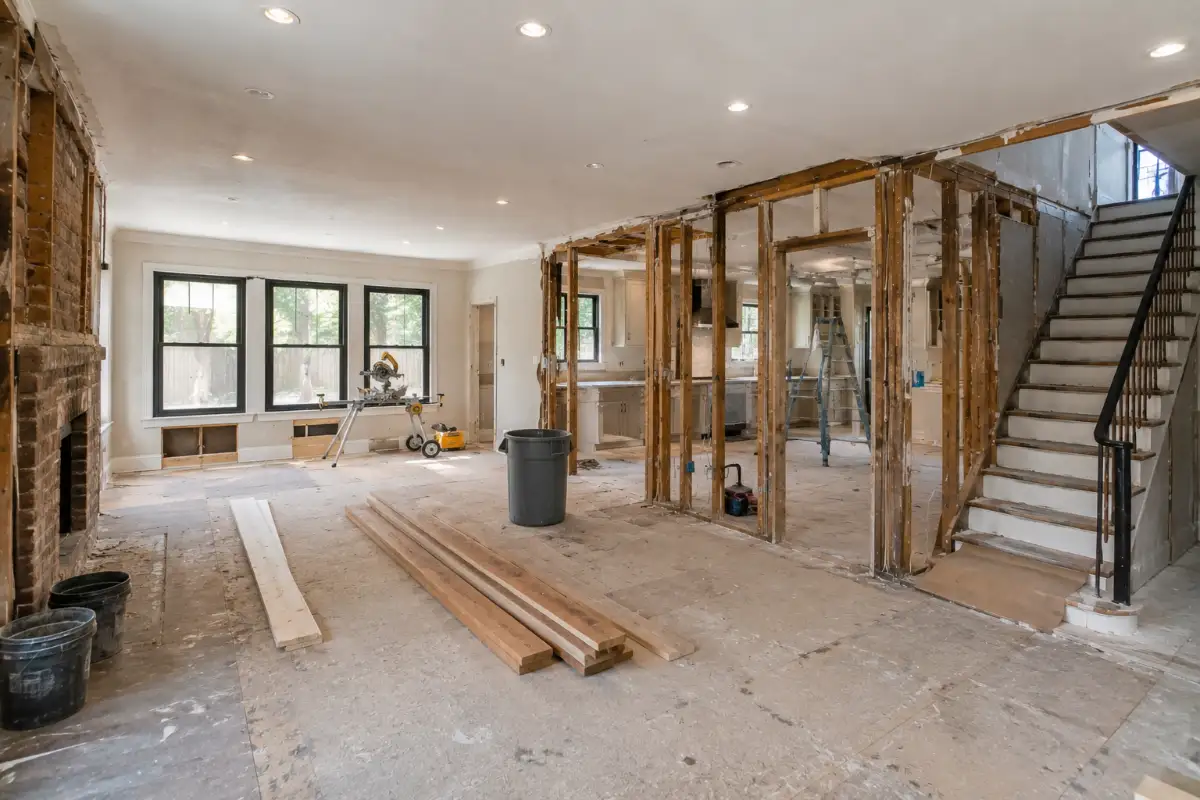
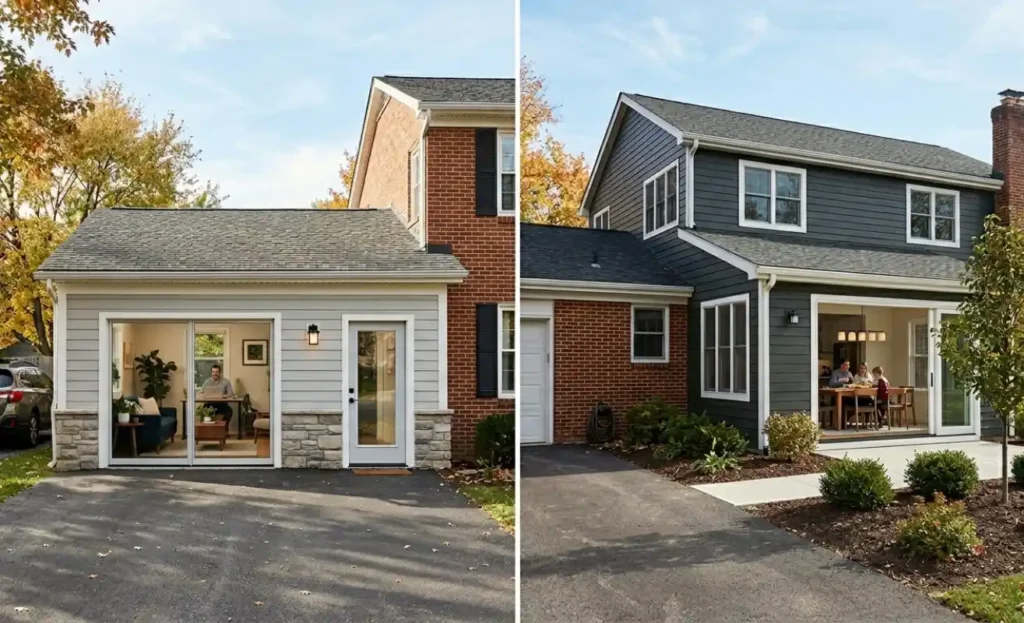
A garage conversion turns an existing garage (attached or detached) into livable space, like a bedroom, office, gym, studio, or small suite.
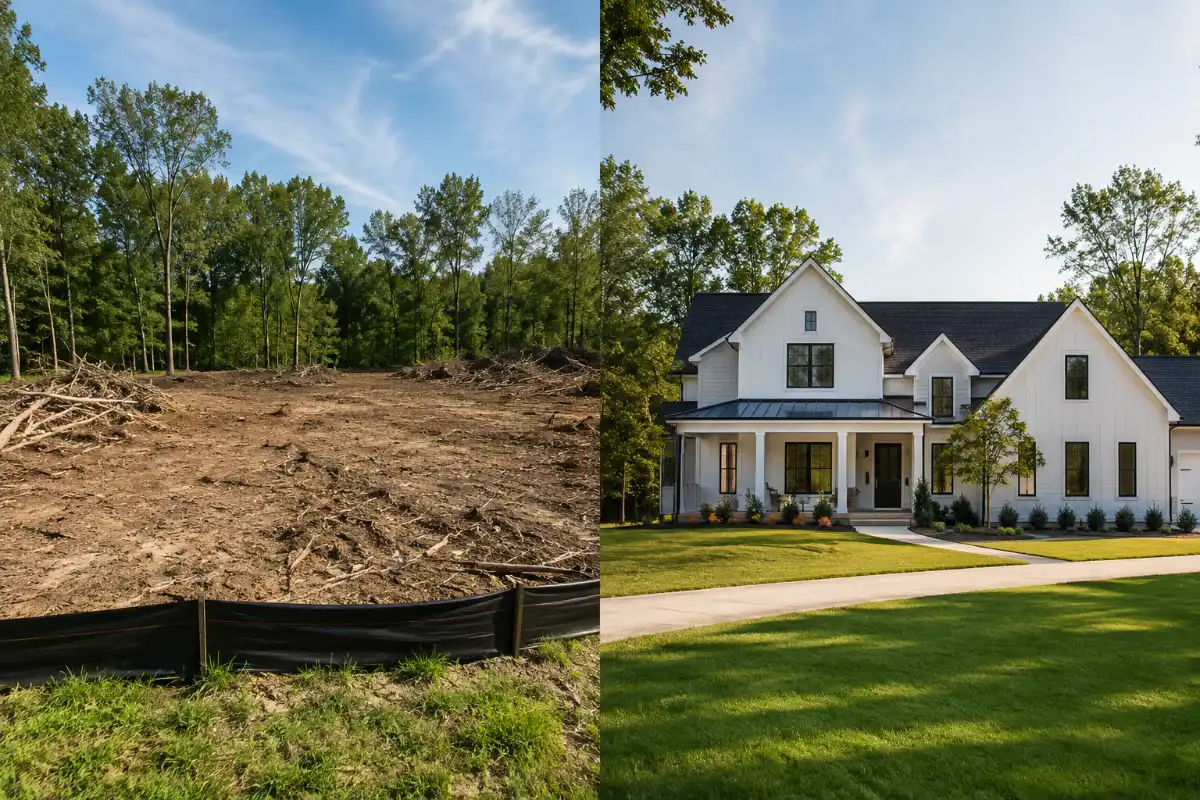
A home addition builds new square footage, like adding a family room, primary suite, extra bedroom/bath, bump-out, sunroom, or a full second-story addition.
The big difference is simple:
- Conversions reuse an existing structure.
- Additions create brand-new space from scratch.
That changes everything: cost, timeline, permits, design flexibility, and resale impact.
Quick verdict: which one is usually better in Northern Virginia?
If you want the fastest shortcut, here it is:
A garage conversion is usually better if:
- You need space fast
- You’re working with a tighter budget
- Your garage is already underused
- You want an office, gym, studio, or guest room
- Your neighborhood doesn’t heavily depend on garages
A home addition is usually better if:
- You need more square footage, not just “a room”
- You need a full bedroom + bath, primary suite, or big family room
- You want the best long-term value
- You want full design freedom and better flow
- You don’t want to lose covered parking/storage
If that already answers it, great. If not, keep going because the details are where you avoid expensive regrets.
Step 1: What do you actually need (space type matters more than you think)
Before you compare costs, answer this:
Are you missing function or square footage?
“I need function” goals (garage conversion often wins)
- Home office
- Gym
- Hobby studio
- Teen hangout room
- Guest room (without full suite requirements)
- Small rental-style studio (only if zoning and layout support it)
“I need square footage” goals (home addition usually wins)
- A real extra bedroom (especially with closet and egress requirements)
- A new full bathroom addition
- Expanded kitchen + family room footprint
- A primary suite with a larger bath and walk-in closet
- Multi-generational layout changes (true suite-style living)
A garage conversion can be amazing… until you try to force it to be something it’s not.
Step 2: Garage Conversion vs Home Addition cost in Virginia (realistic ranges)
Let’s talk numbers without pretending every house is the same.
Garage conversion cost in Virginia
Typical range: $15,000–$65,000+
What pushes it up:
- Adding plumbing (bathroom, wet bar, laundry)
- Upgrading insulation and HVAC
- Replacing garage door with framing + windows
- Moisture control and slab work
- Electrical upgrades
- Higher-end finishes
Home addition cost in Virginia
Typical range: $40,000–$200,000+
What pushes it up:
- Foundation work
- Roof tie-ins
- Structural framing and engineering
- Larger square footage
- Adding bathrooms and complex plumbing
- Extensive permitting and inspections
- High-end finishes and custom design
The key takeaway:
A conversion can be cheaper because you’re not paying for a new foundation and roof structure. But if your garage needs major upgrades to become code-compliant living space, the cost gap can shrink.
Step 3: Timeline and disruption (how much chaos can you tolerate?)
Garage conversion timeline
Often 3–8 weeks depending on scope and permitting.
Disruption level: usually lower, because work is more contained.
Home addition timeline
Often 8–20+ weeks depending on complexity (and sometimes longer).
Disruption level: usually higher, because you’re dealing with exterior construction, structural tie-ins, weather delays, and heavier trades moving through the property.
If your household is busy, you have kids, or you work from home, disruption matters. A lot.
Step 4: Resale value and neighborhood expectations in Northern Virginia
This is where homeowners either make a smart move… or accidentally make their home harder to sell.
When a garage conversion can hurt resale
- Your area is car-dependent and garages are expected
- Nearby homes all have garages and yours becomes the odd one out
- Your conversion feels like an awkward “bonus room” with poor flow
- Storage loss becomes a real buyer objection
When a garage conversion can still help resale
- Your neighborhood already has limited garages or lots of converted garages
- The conversion is done professionally and looks like it was always part of the home
- You add a truly desirable function (office, suite, modern flex space)
- You preserve storage with smart built-ins or a shed solution
Why additions tend to win on resale
Additions are typically easier for buyers to understand:
- “This home has more square footage.”
- “It has an extra bedroom.”
- “It has an extra bathroom.”
That clarity usually converts to value, assuming the addition blends with the home and doesn’t feel like a weird bolt-on.
Step 5: Permits, zoning, and the Virginia reality check
Both projects can require permits. The exact requirements depend on your county/city, the scope, and whether you’re modifying structural, electrical, plumbing, or HVAC systems.
Garage conversions often trigger code issues like:
- Insulation requirements
- Fire separation between house and garage (if attached)
- Ceiling height
- Proper HVAC and ventilation
- Egress requirements if it becomes a bedroom
- Moisture control and slab insulation
- Electrical capacity and panel upgrades
Additions often trigger:
- Setbacks and lot coverage rules
- More complex structural permitting
- Roof and foundation inspections
- Stormwater considerations (in some cases)
- HOA restrictions (common in Northern Virginia)
Translation: don’t choose based on Pinterest. Choose based on what your property can legally support.
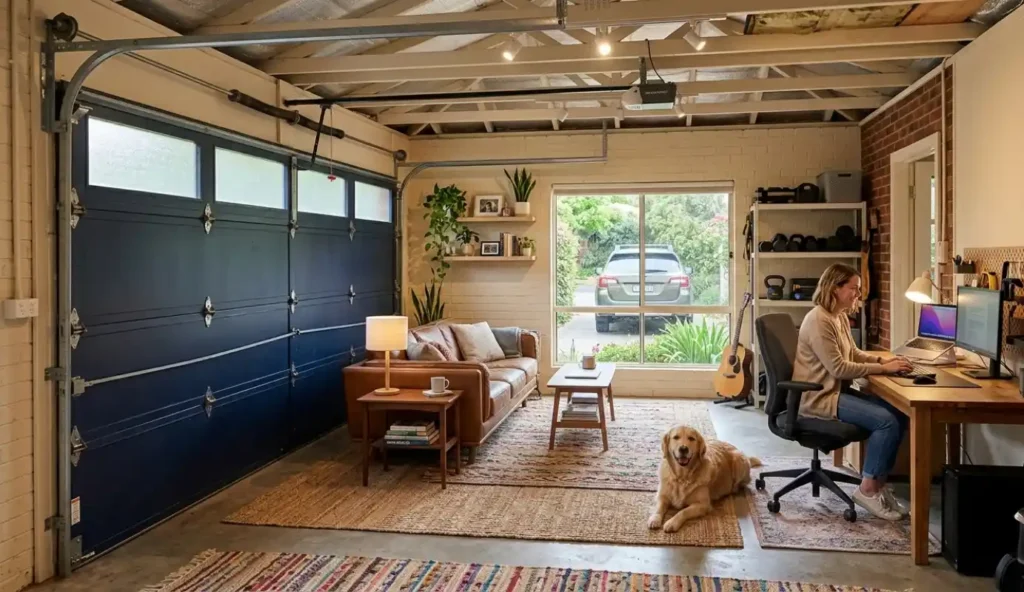
Garage Conversion vs Home Addition: Pros and cons (Virginia version)
Garage Conversion Pros
Lower upfront cost (usually)
Faster timeline
Less disruption
Great for flex spaces
Uses existing structure (less heavy construction)
Garage Conversion Cons
You lose the garage (parking + storage)
Fixed size (can’t “just make it bigger”)
Can be tricky to make feel natural
Can affect resale depending on neighborhood
Code upgrades can add cost fast
Home Addition Pros
Adds real square footage
Better long-term value potential
Full customization (layout, size, function)
Keeps garage intact
Often easier resale story (“bigger home”)
Home Addition Cons
More expensive
Longer timeline
More disruption
Zoning/setbacks can block it
More structural complexity
The “flow” problem: what competitors miss (and what actually decides success)
Most competitor articles talk cost and speed. Fine. But the real deciding factor is this:
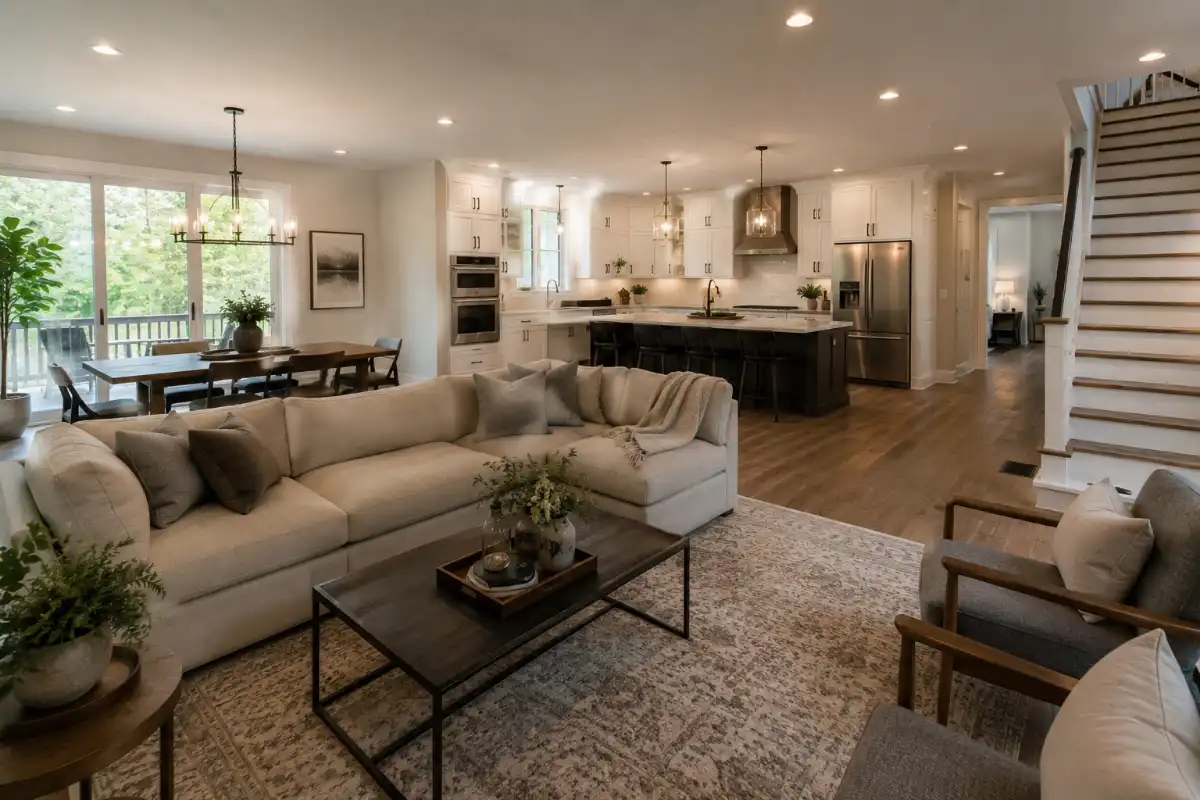
Does the new space feel like part of the home?
That’s why some garage conversions feel like a weird detached room you never use, while others feel like the best room in the house.
Signs your garage conversion will feel awkward
- You enter through a side door or odd hallway
- The ceiling height feels different from the rest of the house
- The floor height doesn’t match
- Lighting is darker and doesn’t match the home
- The room is isolated and doesn’t connect to daily living zones
Signs it will feel natural
- Entry point is smooth and logical
- Flooring and trim match the home
- Natural light is added properly
- HVAC makes it comfortable year-round
- It connects to existing living space without weird transitions
This is exactly why AZA Builders pushes layout planning hard before construction begins. A “cheap” conversion that feels bad is not cheap in the long run.
Best use cases Virginia homeowners are choosing right now
Best garage conversion ideas
- Home office (quiet, separated, great for remote work)
- Home gym (no equipment in the living room, thank you)
- Guest room (especially if you don’t need a full bath)
- Studio / flex room (music, crafts, content creation)
- Teen lounge (keeps the chaos in one place)
This pairs perfectly with internal link placement for Garage Conversion.
Best home addition ideas
- Primary suite addition
- Family room bump-out
- Kitchen expansion + family zone
- In-law suite
- Second-story addition
- Mudroom + storage expansion
Cost vs value: how to think like a smart homeowner
If you’re choosing between Garage Conversion vs Home Addition, don’t just ask “What’s cheaper?”
Ask:
- What gives me the function I need today?
- What protects resale in my neighborhood?
- What improves daily life enough to justify the spend?
- What avoids expensive surprises (like moisture, insulation, HVAC limits)?
- What keeps the home’s layout feeling natural?
Cheap space that feels awkward is not a win.
More expensive space that solves the problem cleanly often is.
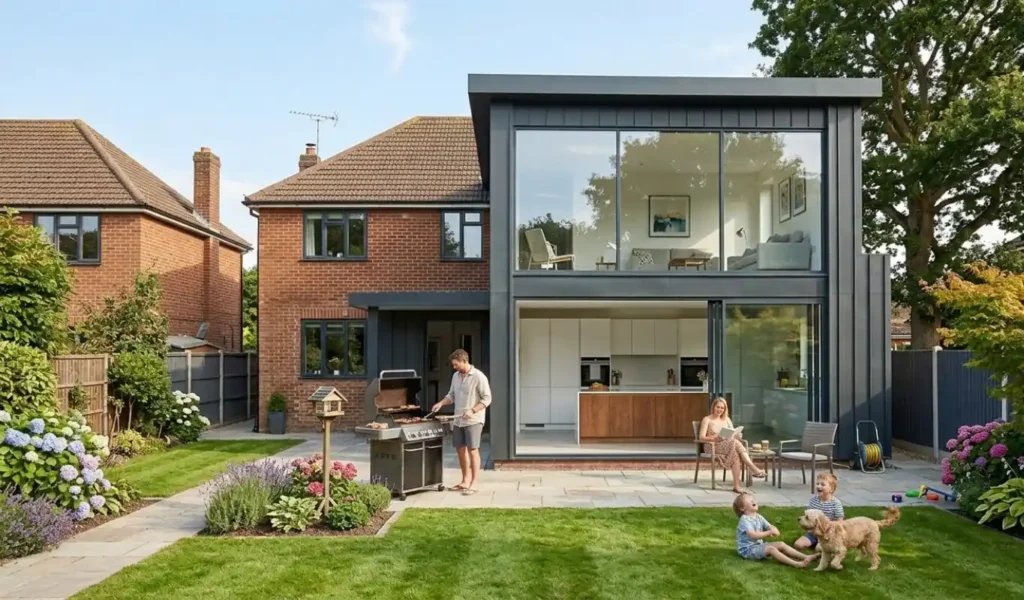
Decision checklist: choose the right option in 5 minutes
Choose a garage conversion if most of these are true:
- You rarely park in the garage now
- You can solve storage another way
- You need one room, not a whole expansion
- Your lot/setback limits block an addition
- You want faster timeline and lower disruption
- Your neighborhood doesn’t treat garages as essential
Choose a home addition if most of these are true:
- You need multiple rooms or a full suite
- You want stronger long-term value
- You don’t want to lose parking/storage
- Your layout needs a bigger change than a garage can provide
- You plan to stay long-term and want it “done right”
- You have lot space and zoning that allows it
Final verdict: Garage Conversion vs Home Addition in Virginia
Here’s the most accurate, no-fluff takeaway:
- If you need a smart, fast, budget-friendly room, a garage conversion can be a great move, especially when designed to feel like a natural part of the home.
- If you need true growth, better flow, and the strongest long-term value story, a home addition is usually worth the added cost and timeline.
The best option is the one that fits:
- your neighborhood expectations
- your property constraints
- your household needs
- your long-term plans
And most importantly: the one that doesn’t feel like a compromise every time you walk into it. See us on Instagram & YouTube.
If you’re in Northern Virginia and deciding between Garage Conversion vs Home Addition, AZA Builders can help you make the call based on your layout, your neighborhood, and what will actually pass permitting without drama.
Want a quick recommendation that’s specific to your home?
Call us today at (571) 393-2722
Fill out our Contact Form for a free estimate
Visit our Google Business Profile to see client reviews in Fairfax, Arlington, Leesburg, McLean, and beyond.